• Skip to primary navigation
  • Skip to main content
  • Skip to primary sidebar
  • Privacy Policy
  • Terms and Conditions
  • Contact

ajayable

Your Guide to Smarter Hiring and HR Excellence.

  • Home
  • Discover Talent Trends
    • Recruitment Market Trends
    • Talent Acquisition Strategies
    • AI & Automation in Recruitment
    • Technical HR
    • Leadership & Workforce Strategy
    • Career Development for HR Professionals
  • Trending Insights
    • Global Hiring Trends: Seizing Opportunities for Workforce Evolution
    • Navigating the Recruitment Frontier: Top Talent Trends Shaping 2025 and Beyond.
    • AI in Talent Acquisition: Revolutionizing Recruitment for 2025 and Beyond.
    • Beyond the Cubicle: The Future of Work is Flexible
    • AI in HR: A Strategic Framework for Digital Transformation.
  • About Ajay
Home » Workforce planning » Page 3

Workforce planning

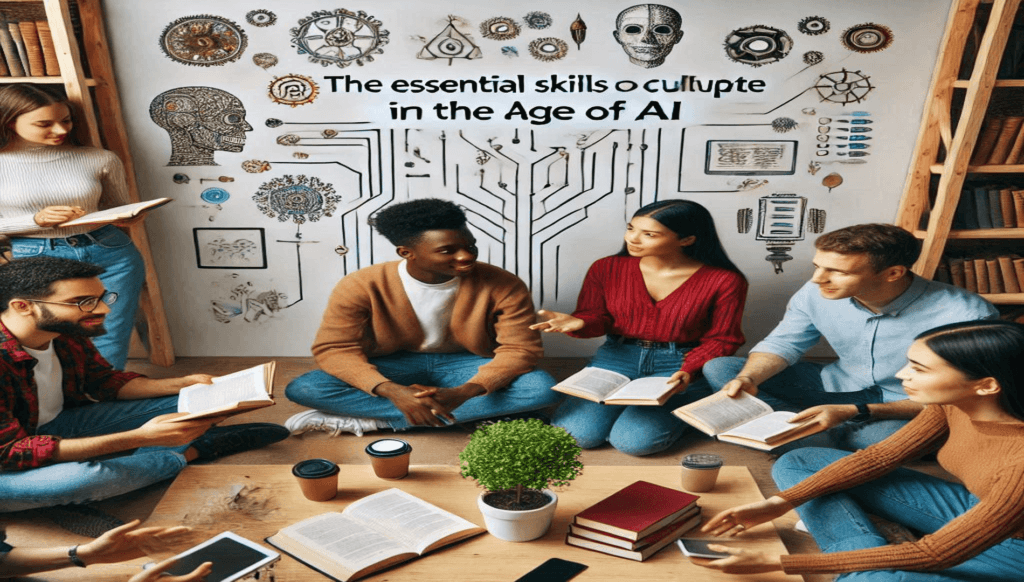
Skills to Cultivate in the Age of AI

December 21, 2024 by ajay dhage Leave a Comment

Skills to Cultivate in the Age of AI

Artificial intelligence (AI) is not just a buzzword anymore—it’s reshaping industries, redefining job roles, and influencing how we work and learn. As AI technologies become increasingly sophisticated, they’re automating repetitive tasks and creating new opportunities that require us to rethink the skills we bring to the table. To thrive in this AI-driven world, adapting, learning, and cultivating specific capabilities is imperative. In this article, we’ll explore the essential skills to cultivate in the age of AI and why they’re critical for success.

Why Focus on Skills to Cultivate in the Age of AI?

AI’s influence is pervasive—from streamlining business operations to personalizing consumer experiences. However, as automation takes over routine tasks, the demand for uniquely human skills has skyrocketed. I believe that the skills to cultivate in the age of AI go beyond technical expertise. They encompass soft skills, adaptability, and lifelong learning, which are essential to navigating this ever-evolving landscape.

But here’s the kicker: it’s not AI itself that will replace jobs; it’s the lack of skills that will make individuals obsolete. With predictions like 42% of business tasks being automated by 2027, it’s high time we double down on the skills that matter.

The Most Important Skills to Cultivate in the Age of AI

Mastering skills in the age of AI is crucial, and understanding the skills needed in the age of AI will ensure you stay ahead in this rapidly evolving landscape.

1. Adaptability and Learnability

The ability to pivot and learn new things quickly is no longer optional. In a world where AI technologies evolve at breakneck speed, being adaptable ensures you can keep pace with change. Learnability—the drive and ability to acquire new skills—is a cornerstone of success.

How to Cultivate This Skill:

  • Stay curious and open-minded.
  • Embrace new challenges as learning opportunities.
  • Enroll in courses or workshops on emerging AI tools and methodologies.

2. Critical Thinking and Judgment

AI systems excel at data analysis but cannot often interpret nuanced or complex scenarios. That’s where human judgment comes in. Critical thinking allows us to evaluate AI outputs, identify biases, and make informed decisions.

Practical Tips:

  • Question assumptions and explore multiple perspectives.
  • Practice analyzing complex problems in your industry.
  • Develop your ability to assess AI-generated data critically.

3. Communication and Collaboration

Despite AI’s capabilities, effective communication and teamwork remain irreplaceable. AI might assist in generating ideas or managing tasks, but it’s humans who bring the emotional intelligence needed for collaboration.

Boost Your Communication Skills:

  • Hone your ability to convey ideas clearly and persuasively.
  • Foster open communication in team settings.
  • Use AI tools to enhance, not replace, interpersonal interactions.

4. Cultural Awareness and Sensitivity

In an interconnected world, where AI creates and interacts across cultures, understanding diverse perspectives is invaluable. This skill is especially crucial for content creation and global collaboration.

Steps to Build This Skill:

  • Engage with people from different cultural backgrounds.
  • Learn about cultural norms and practices worldwide.
  • Leverage AI tools to tailor communication for multicultural audiences.

5. Emotional Intelligence (EQ)

AI might simulate empathy, but genuine emotional intelligence—the ability to understand and manage your emotions and those of others—is uniquely human. EQ enhances leadership, teamwork, and customer relationships.

How to Develop EQ:

  • Practice active listening and empathy.
  • Reflect on your emotional responses and adjust accordingly.
  • Seek feedback to understand how others perceive you.

6. Metacognition

Thinking about how we think—or metacognition—is a meta-skill that helps refine other capabilities. In the AI age, this means reflecting on how we use AI tools and improve our learning processes.

Cultivate Metacognition:

  • Set aside time to evaluate your thinking patterns.
  • Use journaling to track your progress and self-awareness.
  • Engage in discussions that challenge your viewpoints.

7. Technical and AI-Specific Skills

While soft skills are essential, understanding the basics of AI is equally critical. Familiarity with AI tools and their applications can set you apart in the job market.

Key Areas to Focus On:

  • Learn programming languages like Python or R.
  • Understand machine learning basics.
  • Explore AI tools relevant to your industry, such as chatbots or data analytics platforms.

Lifelong Learning: A Non-Negotiable Skill

The concept of lifelong learning has taken on new urgency. Formal education alone is insufficient to keep up with the rapid pace of technological advancements. I’m convinced that lifelong learning is the backbone of success in the AI age.

Strategies for Lifelong Learning:

  • Use platforms like Coursera or Udemy to stay updated.
  • Participate in industry webinars and conferences.
  • Align learning goals with your career aspirations.

Trust in AI: Building Confidence in New Technologies

Trust is an underrated but essential skill in leveraging AI effectively. Whether you’re an employee or a leader, trusting AI systems requires a solid understanding of their limitations and capabilities.

How to Build Trust:

  • Educate yourself about AI’s potential and pitfalls.
  • Advocate for transparency and ethical AI practices in your organization.
  • Participate in discussions around AI governance and bias.

AI and Education: A Partnership for the Future

Education systems must evolve to keep pace with AI’s growth. Personalized learning, facilitated by AI, is revolutionizing how we acquire knowledge. In my opinion, integrating AI into education can bridge skill gaps effectively.

Role of AI in Learning:

  • AI as a tutor: Personalized feedback and guidance.
  • Adaptive learning systems: Tailoring education to individual needs.
  • Enhancing critical thinking: Teaching students to question and analyze AI outputs.

Practical Steps to Future-Proof Your Career

  1. Assess Your Skills: Identify your strengths and areas for improvement, especially in soft skills and technical knowledge.
  2. Upskill Continuously: Seek out resources, courses, and mentorship opportunities.
  3. Embrace Change: Stay flexible and ready to pivot in response to AI-driven transformations.
  4. Build Networks: Connect with professionals in your field to exchange insights and opportunities.
  5. Explore Unmet Needs: Target roles and industries where AI can complement, not replace human capabilities.

Embrace the Skills to Cultivate in the Age of AI

The age of AI is here, transforming the job market and workplace dynamics in unprecedented ways. By cultivating adaptability, emotional intelligence, critical thinking, and technical skills, we can harness AI as a tool for growth rather than viewing it as a threat. Investing in human skills in the age of AI, including crucial soft skills, is essential for staying competitive. Soft skills in the age of AI, such as communication and empathy, are more important than ever. They bridge the gap between human and machine interactions, emphasizing why soft skills are crucial in the age of AI.

Leadership skills in the age of AI are also paramount. They drive innovation and guide teams through the complexities of integrating AI into daily operations. The future of skills in the age of AI hinges on our ability to blend human ingenuity with technological advancements.

I urge you to take proactive steps today to secure your place in tomorrow’s world. Are you ready to embrace these human skills in the age of AI and future-proof your career? Let’s make AI work for us, not against us.


Sources of Insight:

  1. World Economic Forum. (2024, October 17). Skills in the Age of AI [Live Stream]. World Economic Forum.
  2. World Economic Forum. (2024, December). Lessons Learned from AI: Skilling Workers for the Future.

ajay dhage

Ajay Dhage is a seasoned talent acquisition leader with over 20 years of experience in Talent Acquisition and Workforce Strategy across the oil and gas, EPC, and renewables sectors. As Talent Acquisition Lead for a global Oil & Gas EPC company in India, he manages the end-to-end hiring lifecycle for complex, multi-disciplinary projects, from sourcing and assessment to onboarding and workforce planning. Known for his customer-focused approach and innovative use of AI and data in hiring, Ajay focuses on building future-ready workforces and resilient leadership pipelines. Through ajayable.com, he shares insights, trends, and practical frameworks to help HR professionals, organisations, and recruiters excel in a rapidly evolving, competitive talent landscape.

ajayable.com

Filed Under: Career Development for HR Professionals Tagged With: AI recruitment, Digital transformation, HR professional growth, Workforce planning

Talent Acquisition Strategies: Mastering Recruitment for the Future.

December 13, 2024 by ajay dhage Leave a Comment

Talent Acquisition Strategies

In today’s hyper-competitive job market, companies are constantly vying for the best talent. But here’s the kicker: success isn’t just about filling vacancies; it’s about strategically building a workforce that aligns with your organization’s long-term goals. That’s where Talent Acquisition Strategies come into play. These approaches are not only crucial but transformative, helping businesses adapt to the evolving dynamics of the workforce landscape.

Let’s dive into the nuts and bolts of crafting winning talent acquisition strategies that set your organization apart.

What Are Talent Acquisition Strategies?

Talent acquisition strategies are more than just hiring tactics; they are comprehensive, long-term plans to attract, engage, and retain top-tier talent. Unlike traditional recruitment, which focuses on immediate hiring needs, talent acquisition takes a proactive approach, aligning workforce planning with business objectives.

Why does this distinction matter? Because today’s talent market is all about differentiation. Organizations that excel in talent acquisition don’t just fill roles; they cultivate an employer brand that magnetizes the right candidates while leveraging technology to optimize every stage of the process.


The Backbone of Talent Acquisition: Building a Strong Employer Brand

Your employer brand is your calling card in the talent market. In my experience, it’s not just about how you see yourself but how prospective candidates perceive your organization.

Key Steps to Build a Powerful Employer Brand

  1. Craft an Irresistible Careers Page Think of your careers page as your digital handshake. Showcase your company’s values, culture, and employee experiences through engaging visuals, videos, and testimonials.
  2. Leverage Social Media Social platforms are treasure troves for employer branding. Share employee success stories, industry insights, and behind-the-scenes glimpses of your workplace to foster a sense of community and attract like-minded professionals.
  3. Amplify Employee Advocacy Empower your employees to become brand ambassadors. Encourage them to share their positive experiences on social platforms and professional networks.
  4. Promote Diversity and Inclusion Let’s be honest: nothing speaks louder than actions. Showcase your DEI initiatives to widen your talent pool and establish yourself as an inclusive employer.
  5. Enhance Candidate Experience First impressions count. From streamlined application processes to transparent communication, every touch point should reflect your brand’s commitment to excellence.

Leveraging Technology: The Future of Talent Acquisition

Technology isn’t just a tool; it’s a game-changer in talent acquisition. From AI-powered sourcing to virtual interviews, it enables recruiters to work smarter, not harder.

Technologies Transforming Talent Acquisition

  • Applicant Tracking Systems (ATS): Automate mundane tasks like job postings and candidate tracking, freeing up recruiters for strategic activities.
  • AI-Powered Sourcing and Screening: AI platforms like Eightfold and Phenom analyze resumes, predict candidate success, and even conduct initial screenings.
  • Video Interviewing Tools: Remote interviews save time and provide valuable insights into a candidate’s communication skills.
  • Data Analytics: Metrics like time-to-hire and quality-of-hire help identify bottlenecks and optimize the recruitment process.
  • Mobile Recruitment Apps: With candidates applying on the go, mobile-friendly platforms are essential for improving accessibility and engagement.

Building a Talent Pipeline: Your Recruitment Safety Net

I can’t stress this enough: the best talent acquisition strategies are proactive. A robust talent pipeline ensures you have qualified candidates at your fingertips when the need arises.

How to Build a Winning Talent Pipeline

  1. Engage Early and Often Attend industry events, webinars, and career fairs to identify promising candidates.
  2. Leverage Employee Referrals Your current employees are your secret weapon. Incentivize them to refer top talent from their networks.
  3. Stay Active in Online Communities Participating in forums and professional groups keeps your brand top-of-mind for potential candidates.
  4. Maintain a Candidate Database Keep track of high-potential candidates even if they’re not ready to make a move. Relationships built today could yield hires tomorrow.

The Candidate Experience: The Heart of Talent Acquisition

In my opinion, candidate experience can make or break your talent acquisition efforts. Imagine applying for a job only to be ghosted or subjected to a cumbersome application process. Frustrating, right?

Tips for Elevating Candidate Experience

  • Clear Communication: Keep candidates informed about every step of the process.
  • Streamlined Application Process: Make it simple and user-friendly.
  • Engaging Interviews: Prepare your interviewers and create a respectful, welcoming atmosphere.
  • Constructive Feedback: Provide meaningful insights, even if the candidate isn’t selected.
  • Responsive Support: Be accessible and helpful throughout the hiring journey.

Offering Competitive Compensation and Benefits

Let’s face it: money talks. But it’s not just about offering top-dollar salaries; it’s about creating a comprehensive package that resonates with candidates.

What Makes Compensation Competitive?

  • Market-Aligned Salaries: Conduct regular market research to stay competitive.
  • Comprehensive Benefits: Health insurance, retirement plans, and paid time off are must-haves.
  • Extra Perks: Think flexible work arrangements, wellness programs, and professional development opportunities.

Workforce Trends: Adapting to Change

The workforce landscape is evolving at lightning speed. To stay ahead, your talent acquisition strategies must address emerging trends.

Key Trends to Watch

  • Generational Shifts: Tailor your strategies to meet the unique values of Millennials and Gen Z, such as flexibility and purpose-driven work.
  • DEI Initiatives: Diversity isn’t optional; it’s a business imperative. From inclusive job descriptions to bias-free recruitment, prioritize equity at every stage.
  • Upskilling Opportunities: Close the skills gap by investing in employee development.

Data and Analytics: The Secret Sauce

Data-driven decisions are the backbone of effective talent acquisition. By analyzing metrics like cost-per-hire and source effectiveness, you can continually refine your strategies.

Best Practices for Using Data

  • Track KPIs: Keep tabs on metrics that matter, like time-to-fill and candidate satisfaction.
  • Evaluate Recruitment Channels: Identify which platforms deliver the best ROI.
  • Analyze Trends: Stay ahead by forecasting hiring needs based on historical data.

Final Thoughts

Talent acquisition strategies are your ticket to staying competitive in today’s ever-changing job market. By building a strong employer brand, leveraging technology, fostering a talent pipeline, and prioritizing candidate experience, you’re not just hiring; you’re shaping the future of your organization.

So, what’s the next step for your company? Evaluate your current strategies and identify areas for improvement. The time to act is now—because in the war for talent, standing still is not an option.

Ready to take your talent acquisition strategies to the next level? Let’s connect and exchange ideas in the comments below. I’d love to hear your thoughts!

Insights adopted from

AMS. “Talent Acquisition at a Crossroads.”

IBM. “Talent Acquisition Strategy.”

ajay dhage

Ajay Dhage is a seasoned talent acquisition leader with over 20 years of experience in Talent Acquisition and Workforce Strategy across the oil and gas, EPC, and renewables sectors. As Talent Acquisition Lead for a global Oil & Gas EPC company in India, he manages the end-to-end hiring lifecycle for complex, multi-disciplinary projects, from sourcing and assessment to onboarding and workforce planning. Known for his customer-focused approach and innovative use of AI and data in hiring, Ajay focuses on building future-ready workforces and resilient leadership pipelines. Through ajayable.com, he shares insights, trends, and practical frameworks to help HR professionals, organisations, and recruiters excel in a rapidly evolving, competitive talent landscape.

ajayable.com

Filed Under: Talent Acquisition Strategies Tagged With: AI recruitment, recruitment trends, Talent Acquisition Strategies, Workforce planning

Beyond Hiring: Sculpting the Workforce of Tomorrow

December 9, 2024 by ajay dhage 2 Comments

future workforce development

In today’s hyper-competitive business landscape, talent acquisition has evolved from an operational necessity to a strategic imperative. Future workforce development is no longer just about hiring the best candidates; it’s about constructing a resilient workforce capable of driving innovation, adapting to change, and sustaining organizational growth. This new paradigm emphasizes the importance of developing skills and attributes that align with the ever-changing demands of the market, ensuring that organizations remain agile and competitive.

As someone deeply invested in this field, I’ve seen firsthand how the rules of recruitment are evolving. Traditional approaches, though foundational, no longer suffice. The focus has shifted toward building dynamic talent pipelines, leveraging cutting-edge technology, and crafting employer brands that stand out in the crowded labour market. But what does this mean for organizations, and how can they adapt? How can we effectively develop the workforce of the future?

Redefining Talent Acquisition: A Holistic Approach

Talent acquisition today transcends the simple act of filling vacancies. It’s about aligning recruitment efforts with overarching business goals to drive future workforce development. Companies must think beyond the immediate needs and strategically plan for the future. This requires a comprehensive framework built on five interconnected pillars, each critical for the success of future workforce development.

1. Strategic Workforce Planning: The Chess Master’s Perspective

Successful talent acquisition starts with an intimate understanding of organizational goals and workforce requirements. It’s not enough to respond to current needs; companies must anticipate the future. Strategic planning involves mapping out hiring forecasts based on growth objectives, technological advancements, and market trends.

For example, as industries embrace automation and artificial intelligence, roles like data scientists, automation specialists, and AI ethicists are no longer optional—they’re indispensable. Companies that plan for these shifts by identifying future skill requirements and nurturing relationships with potential candidates gain a significant edge over competitors​.

2. The Magnetism of Employer Branding

In a world inundated with choices, a strong employer brand can make all the difference. It’s about telling a story—a compelling narrative that showcases your company’s culture, values, and vision. When Bhavish Aggarwal, CEO of Ola, visits India’s top campuses, he’s not just scouting talent; he’s reinforcing the idea that Ola is the place for visionaries​.

A robust employer brand serves as a beacon, attracting candidates who align with your ethos. But branding isn’t just external. Your existing employees are your most potent ambassadors. Their testimonials, whether shared on social media or through informal networks, carry immense credibility.

3. Diversity and ESG: Foundations for a Modern Workforce

Diversity and inclusion are no longer optional—they’re essential. Research consistently shows that diverse teams are more innovative and better equipped to solve complex problems. But diversity isn’t just about representation; it’s about creating an environment where everyone can thrive.

This is where Environmental, Social, and Governance (ESG) initiatives come into play. Younger generations, particularly Gen Z, value employers who prioritize sustainability and social impact. Companies aligning their benefits and policies with ESG principles—such as offering eco-friendly commute incentives or transparent pay structures—find themselves better positioned to attract top talent​.​

4. Harnessing the Power of Technology

Technology is the silent workhorse of modern talent acquisition. From AI-driven sourcing tools that identify high-potential candidates to applicant tracking systems that streamline the recruitment process, technology has revolutionized how companies approach hiring.

Consider this: a mid-sized organization processing thousands of applications can save hundreds of hours using automation. But technology’s role goes beyond efficiency. Predictive analytics can help forecast candidate success, while machine learning algorithms can identify biases in job descriptions, promoting inclusivity​.

5. Crafting Unforgettable Candidate Experiences

In a competitive job market, the candidate experience can make or break your hiring strategy. A clunky application process or lack of communication can turn potential hires away faster than you can say “talent shortage.”

On the flip side, companies that prioritize seamless, transparent interactions create a lasting impression. Timely feedback, clear timelines, and even small gestures like personalized thank-you notes can elevate the candidate experience and enhance your employer brand​..

Navigating the Challenges of a Tight Labor Market

The labor market is tighter than a drum, with vacancies often outstripping available talent. Aging populations, rapid technological advancements, and shifting worker priorities have created a perfect storm. This is particularly evident in high-demand sectors like healthcare and technology, where finding skilled professionals feels like searching for a needle in a haystack​.

Moreover, younger workers bring their own set of expectations. For them, work isn’t just about a paycheck—it’s about purpose, flexibility, and alignment with personal values. This shift has sparked movements like the “Great Resignation,” where employees are leaving roles in search of more meaningful work​.

Winning the Talent Wars: Six Proven Strategies

So, how can organizations turn these challenges into opportunities? Here are six actionable strategies:

1. Build Holistic Compensation Packages

Compensation is no longer limited to salaries. Think of benefits like remote work options, wellness programs, and professional development opportunities. These extras often tip the scales in your favor​.

2. Embrace Leadership Involvement

CEOs like Deepinder Goyal of Zomato demonstrate that personal involvement in hiring sends a powerful message. It signals to candidates that the company values its talent as much as its bottom line​.

3. Cultivate a Talent Pipeline

Networking isn’t just for salespeople. Attend industry events, engage with talent on social media, and maintain relationships with potential hires long before a vacancy arises​.

4. Promote Diversity Proactively

Review your hiring practices to eliminate bias, craft inclusive job descriptions, and ensure interview panels reflect the diversity you aim to achieve​.

5. Optimize with Data

Track metrics like time-to-hire and quality-of-hire to continuously refine your recruitment strategies. Data is your compass in the often-chaotic world of hiring​.

6. Invest in Technology

From chatbots that guide candidates through applications to analytics that predict hiring outcomes, technology is your secret weapon​.

Future Workforce Development: The Road Ahead

Talent acquisition is no longer a support function—it’s a strategic driver of organizational success. Companies that embrace its transformative potential will find themselves ahead of the curve, armed with a workforce ready to tackle future challenges.

In my opinion, the key lies in adaptability. Whether it’s embracing new technologies, redefining leadership roles, or fostering diversity, the ability to evolve will separate the winners from the also-rans. So, what’s your next step in this journey? Let’s connect and brainstorm how to future-proof your talent acquisition strategy.

Reference

AiGroup: How talent acquisition is shaping the future of recruitment

Ius Laboris: Workforce of the future: Attracting and retaining talent in a changing labour market.

Storyboard18: Hiring 2.0: How India’s CEOs are leveraging social media and campus tours to attract talent.

ajay dhage

Ajay Dhage is a seasoned talent acquisition leader with over 20 years of experience in Talent Acquisition and Workforce Strategy across the oil and gas, EPC, and renewables sectors. As Talent Acquisition Lead for a global Oil & Gas EPC company in India, he manages the end-to-end hiring lifecycle for complex, multi-disciplinary projects, from sourcing and assessment to onboarding and workforce planning. Known for his customer-focused approach and innovative use of AI and data in hiring, Ajay focuses on building future-ready workforces and resilient leadership pipelines. Through ajayable.com, he shares insights, trends, and practical frameworks to help HR professionals, organisations, and recruiters excel in a rapidly evolving, competitive talent landscape.

ajayable.com

Filed Under: Leadership & Talent Strategy Tagged With: future workforce, leadership development, reskilling, succession planning, talent innovation, talent strategy, upskilling, Workforce planning

Navigating the Recruitment Frontier: Top Talent Trends Shaping 2025 and Beyond.

December 8, 2024 by ajay dhage Leave a Comment

Talent Trends 2025

Change is the only constant in the talent acquisition world, and 2025 promises to be no exception. As the recruitment landscape shifts, it’s not just about filling roles anymore—it’s about redefining what hiring success looks like. As we move toward 2025, Talent Trends 2025 sheds light on the transformative talent acquisition trends shaping the future of work. From the dazzling promises of AI to the nuanced art of skills-based hiring, we’re witnessing an industry that’s not just evolving but transforming at lightning speed.

As I dived into Talent Trends 2025, I couldn’t help but marvel at the intersection of technology, culture, and strategy. These aren’t just trends—they’re signposts pointing us toward a future where recruitment is smarter, faster, and more human-centered. Let’s dive into the talent acquisition trends for 2025 that will influence the next wave of workforce excellence.

1. AI: The Talent Acquisition Game Changer

Have you noticed how AI seems to be everywhere lately? It’s no longer just a buzzword; it’s the engine driving efficiency in recruitment. Whether it’s parsing through thousands of resumes in seconds or crafting personalized job recommendations, AI has become the recruiter’s silent partner.

Take tools like generative AI, for instance. They’re not just speeding up the hiring process; they’re transforming it. Chatbots handle candidate queries with charm, while advanced algorithms identify top talent with uncanny accuracy. But here’s the catch: AI is only as good as the humans guiding it. Without oversight, bias can creep in, turning an innovation into a liability​. In my opinion, we need to view AI as an enabler, not a replacement. The human touch—nuanced judgment, empathy, and creativity—remains irreplaceable. So, are we ready to embrace this synergy between man and machine?

2. Skills-Based Hiring: Breaking the Degree Barrier

For years, a degree was the golden ticket to career success. But as industries evolve, that old standard is crumbling. Employers are now focusing on what candidates can do rather than where they’ve studied.

This shift isn’t just practical—it’s transformative. Skills-based hiring opens doors for untapped talent, from self-taught tech enthusiasts to boot camp grads armed with cutting-edge expertise. Roles in AI, cybersecurity, and green energy are leading the charge, with businesses emphasizing adaptability and specific capabilities over traditional qualifications​. Yet, this isn’t without challenges. How do we define critical skills? How do we measure them effectively? These are questions we’ll need to answer, and quickly. But isn’t it thrilling to think about a world where opportunity is based on ability, not pedigree?

3. Proactive Candidate Engagement: Beyond Passive Search

Recruitment isn’t just about posting jobs and waiting for applicants anymore. The best candidates often aren’t actively looking—they need to be found, persuaded, and engaged.

This shift is taking centre stage as companies move from reactive to proactive hiring approaches​. Imagine recruiters as storytellers, reaching out to passive candidates with compelling narratives about why their organization is the place to be. Technology plays a role here too, with AI tools helping identify and connect with potential talent. The question is: how do we balance personalized outreach with the scale demanded by today’s hiring challenges?

4. The DEI Revolution: Diversity Isn’t Optional

Let’s talk about the elephant in the room: diversity, equity, and inclusion. In Talent Trends 2025, DEI isn’t just a “nice to have”; it’s a strategic imperative. Candidates, especially Gen Z and Millennials, are demanding workplaces that reflect their values​. Companies are stepping up, with innovative tools to eliminate hiring biases and legislation pushing for pay transparency. But DEI isn’t just about compliance; it’s about building workplaces that thrive on different perspectives. After all, doesn’t the best innovation often come from the most unexpected ideas?

5. Recruiters as Business Leaders: The Strategic Evolution

Recruiters are no longer just order-takers—they’re becoming strategic advisors. In 2025, recruitment is less about filling vacancies and more about aligning talent strategies with business goals​. In my view, this shift is massive. It empowers recruiters to anticipate needs, challenge assumptions, and drive innovation. But it also demands upskilling, broader business acumen, and a seat at the table during strategic planning sessions. Are we ready to see recruiters as the architects of organizational success?

6. Pay Transparency: Equity in the Spotlight

The push for pay transparency is more than a legal requirement—it’s a cultural shift. Candidates, especially younger generations, demand fairness and clarity in compensation​. Organizations that embrace this trend not only build trust but also position themselves as forward-thinking employers. In practical terms, this means disclosing salary ranges, conducting regular audits, and ensuring pay equity across all demographics.

7. Employer Branding: It’s Show-and-Tell Time

Your brand isn’t what you say it is—it’s what people believe about you. Employer branding has always mattered, but in today’s hyper-connected world, it’s under a magnifying glass. Candidates want authenticity. They want to see companies “walk the talk,” whether it’s about career growth, flexibility, or corporate responsibility​. For me, this is an opportunity. Organizations that tell compelling, truthful stories will not only attract talent but keep it. So, what story is your company telling?

8. Internal Mobility: Talent Goldmines Within

If 2024 was about talent acquisition, 2025 is all about talent retention. Companies are doubling down on internal mobility, transforming their workforce by upskilling and reskilling existing employees​.

I see this as a win-win. Employees gain growth opportunities while businesses fill roles with people who already understand their culture. But it requires commitment—clear career paths, accessible learning platforms, and a mindset shift from “buy” to “build.”

9. Anti-Fragile Recruitment Strategies: Thriving Under Pressure

Here’s a trend that excites me— “anti-fragile” recruitment. It’s about designing strategies that don’t just survive chaos but thrive in it. This approach emphasizes agility, resilience, and adaptability in the face of economic or industry disruptions​. For instance, modular recruitment models and robust talent pipelines allow companies to scale quickly without sacrificing quality. The ultimate goal? Turning every challenge into an opportunity. Isn’t that what great recruitment is all about?

10. Data-Driven Decisions: Hiring Smarter, Not Harder

Numbers don’t lie, but they need context. Data analytics is becoming the backbone of recruitment, enabling leaders to anticipate talent needs, identify gaps, and measure success​. This isn’t just about metrics like time-to-hire. It’s about using data to drive meaningful outcomes—like improving candidate experience or boosting long-term retention. The real question is: how do we turn raw data into actionable insights?

11. Hybrid Work: Flexibility Meets Reality

Ah, the great hybrid debate! Some say it’s here to stay; others predict a swing back to office-first models. Whatever the future holds, one thing is clear: flexibility isn’t a perk anymore—it’s an expectation. While many workers thrive on remote setups, businesses are finding creative ways to combine productivity with collaboration. Whether it’s the rise of “Hybrid 360” models or innovations in job sharing, flexibility is evolving​. But let’s not sugarcoat it—hybrid work isn’t without challenges. Maintaining engagement, managing performance, and fostering culture requires fresh thinking. Still, doesn’t the promise of a balanced, empowered workforce feel worth the effort?

Talent Trends 2025: The Takeaway

2025 is shaping up to be a year of bold strategies and big questions. How will we balance AI’s potential with ethical concerns? Can skills-based hiring truly democratize opportunity? Will companies rise to the DEI challenge?

The future of recruitment isn’t just about trends—it’s about choices. And in my opinion, the choices we make now will define not just our workforces but our workplaces for years to come.

So, let’s choose wisely. Whether you’re a recruiter, an HR leader, or simply someone passionate about talent, this is your call to action. Innovate. Collaborate. Lead. Because the future isn’t waiting—it’s already here.

What’s your perspective on these trends? How are you preparing for the future of recruitment? Let’s discuss this in the comments below!

Sources of Insight:

  • Aura Team. 2025 Talent Acquisition Trends.
  • recruiterflow.com. 15 Recruitment Trends to Expect in 2025.
  • Mercer. Global Talent Trends 2024.
  • peoplescout.com. Talent Trends 2024 In Review.
  • Matchr. Recruitment Trends Report 2024.

ajay dhage

Ajay Dhage is a seasoned talent acquisition leader with over 20 years of experience in Talent Acquisition and Workforce Strategy across the oil and gas, EPC, and renewables sectors. As Talent Acquisition Lead for a global Oil & Gas EPC company in India, he manages the end-to-end hiring lifecycle for complex, multi-disciplinary projects, from sourcing and assessment to onboarding and workforce planning. Known for his customer-focused approach and innovative use of AI and data in hiring, Ajay focuses on building future-ready workforces and resilient leadership pipelines. Through ajayable.com, he shares insights, trends, and practical frameworks to help HR professionals, organisations, and recruiters excel in a rapidly evolving, competitive talent landscape.

ajayable.com

Filed Under: Recruitment Market Trends Tagged With: AI in HR, AI recruitment, AI recruitment trends, diversity in hiring, emerging workforce trends, future of recruitment, global recruitment, market insights, Recruitment automation, recruitment trends, remote work trends, upskilling in recruitment, Workforce planning

Beyond the Cubicle: The Future of Work is Flexible

December 6, 2024 by ajay dhage Leave a Comment

Beyond the Cubicle: The Future of Work is Flexible

The COVID-19 pandemic triggered a seismic shift in the global work landscape, propelling remote work from a niche practice to a mainstream phenomenon. As the pandemic’s grip loosened, organizations faced the complexities of bringing employees back to the office, highlighting the evolving Future of Work. This new reality has led to the emergence of return-to-office (RTO) mandates and the widespread adoption of hybrid work models, signifying a fundamental transformation in how work is organized and performed.

An article published in Forbes and a Search Paper offers valuable insights into the challenges and opportunities presented by this evolving work environment, shedding light on the potential impact of RTO policies on employee engagement, productivity, and the overall workplace experience. Taking insights from these two different sources let’s explore the intricate relationship between RTO strategies and employee well-being, examine the potential risks and benefits associated with different work models, and offer predictions for the future trajectory of work trends.

The RTO Conundrum: Balancing Business Needs and Employee Expectations

There is a common highlight of a fundamental tension at the heart of RTO policies: the need to balance organizational objectives, such as fostering collaboration and innovation, with employee expectations for flexibility and autonomy. An article from Forbes, emphasizes the potential business advantages of in-person work environments, arguing that RTO can lead to:

Enhanced Collaboration and Innovation:

The physical proximity of employees in an office setting can facilitate spontaneous interactions, brainstorming sessions, and cross-functional collaboration, potentially leading to increased innovation and creative problem-solving.

Improved Knowledge Transfer and Mentoring:

In-person work environments provide more opportunities for informal knowledge sharing, mentorship, and on-the-job training, particularly beneficial for newer employees who can learn from experienced colleagues.

Strengthened Team Dynamics and Company Culture:

A shared physical workspace can foster a stronger sense of community, shared purpose, and belonging among employees, contributing to a more cohesive and vibrant company culture.

However, Jim DeLoach also acknowledges the potential downsides of RTO, particularly if implemented without careful consideration of employee needs and preferences. The article cautions that poorly executed RTO mandates can lead to:

Increased Attrition and Talent Loss:

Employees who value the flexibility and autonomy of remote work might seek opportunities elsewhere if forced back to the office full-time, resulting in the potential loss of valuable skills and experience.

Employee Dissatisfaction and Resentment:

Mandating a return to the office can trigger feelings of resentment and dissatisfaction among employees who have adapted to remote work and perceive the policy as a loss of flexibility and control over their work-life balance.

Short-Term Productivity Disruptions:

The transition back to the office can cause temporary disruptions in productivity as employees adjust to new routines, commute times, and the need to re-establish in-person work habits.

Brockner, J. & van Dijke, M research delves into the psychological and emotional impact of RTO on employees, revealing that the anticipation of returning to the office can lead to both increased engagement and heightened burnout. The paper highlights research findings suggesting that:

The imminence of Return Impacts Engagement:

Employees who anticipate an imminent return to the office tend to report higher levels of engagement, possibly due to a sense of acceptance and a need to “come to terms” with the change.

Self-Affirmation Can Backfire:

Counterintuitively, encouraging employees to engage in self-affirmation exercises in anticipation of RTO can lead to decreased engagement and increased burnout, particularly among those whose return is imminent. This suggests that allowing employees to adapt to the transition at their own pace, without imposing additional psychological interventions, might be more beneficial.

The Rise of Hybrid Work Models: A Path to a More Balanced Future?

Both the article and research paper point to hybrid work models, which combine elements of both in-office and remote work, as a potential solution to the challenges posed by RTO mandates. Hybrid models offer several advantages:

Flexibility and Choice:

Hybrid models empower employees to choose a work arrangement that aligns with their individual needs and preferences, providing a greater sense of autonomy and control over their work-life balance.

Reduced Commutes and Increased Work-Life Integration:

By reducing the number of days spent in the office, hybrid models can alleviate the burden of commuting, allowing employees to save time, and money, and reduce stress, leading to a better work-life balance.

Access to a Wider Talent Pool:

Companies that embrace hybrid models can attract and retain talent from a geographically diverse pool, expanding their reach beyond traditional hiring limitations.

Cost Savings for Companies:

Hybrid models can enable organizations to reduce their real estate footprint and associated costs, as fewer employees require dedicated office space.

Future of Work: Trends and Considerations

Based on the insights gleaned from the article by Jim DeLoach and research by Brockner & van Dijke, here are some predictions for the future trajectory of work trends:

Hybrid Models Will Become the Norm:

Hybrid work models are likely to become the dominant work arrangement in the coming years, offering a compromise that satisfies both organizational needs for collaboration and employee desires for flexibility.

Technology Will Continue to Shape the Workplace:

Advancements in communication and collaboration technologies will continue to play a crucial role in supporting remote and hybrid work models, enabling seamless communication and productivity across geographically dispersed teams.

Focus on Employee Well-being and Experience Will Intensify:

As the competition for talent intensifies, companies will increasingly prioritize employee well-being and experience as a key differentiator. This will involve offering comprehensive benefits packages, flexible work arrangements, and a focus on creating a supportive and inclusive work environment.

The Office Will Evolve into a Hub for Collaboration and Connection:

The traditional office space is likely to transform, shifting from a place of individual work to a hub for collaboration, team meetings, and social interaction. Office design will prioritize flexible workspaces, communal areas, and technology-enabled environments that facilitate both in-person and remote collaboration.

Challenges and Considerations for the Future of Work

While the future of work holds immense potential for increased flexibility, productivity, and employee well-being, several challenges and considerations remain:

Ensuring Equity and Inclusion in Hybrid Work Models:

Companies need to develop strategies to ensure that employees working remotely or in hybrid arrangements have equal access to opportunities, resources, and career advancement paths. This requires proactive efforts to mitigate potential biases and ensure fair treatment for all employees regardless of their work location.

Maintaining a Strong Company Culture in a Hybrid Environment:

Fostering a strong company culture and sense of community can be more challenging in a hybrid work environment. Organizations must invest in strategies to facilitate communication, build relationships, and create opportunities for social interaction among employees working in different locations.

Adapting Performance Management Systems for a Hybrid Workforce:

Traditional performance management systems often rely heavily on in-person observation and feedback. Companies need to adapt their performance evaluation processes to effectively measure and reward contributions in a hybrid work environment, focusing on outcomes and contributions rather than solely on time spent in the office.

Embracing a People-Centric Approach to the Future of Work

The evolving work landscape presents opportunities and challenges for organisations and employees. The key to successfully navigating this new terrain lies in adopting a people-centric approach that prioritises employee well-being, flexibility, and choice.

By embracing hybrid work models, investing in technology, and fostering a culture of trust and exclusivity, companies can create a work environment that empowers employees to thrive, collaborate, and contribute their best work, regardless of location. The future of work is not about simply returning to the pre-pandemic status quo, but rather about leveraging the lessons learned and embracing innovation to create a more flexible, equitable, and fulfilling work experience for everyone.


Sources of Insights

  1. DeLoach, J. “The High-Stakes Decision To Issue A Return-To-Office Mandate—Risks And Rewards.” Forbes. Founding Managing Director with Protiviti, a global consulting firm.
  2. Brockner, J. (Columbia Business School), & van Dijke, M. (Erasmus University Rotterdam and Nottingham Trent University). “Work Engagement and Burnout in Anticipation of Physically Returning to Work: The Interactive Effect of Imminence of Return and Self-Affirmation.”

ajay dhage

Ajay Dhage is a seasoned talent acquisition leader with over 20 years of experience in Talent Acquisition and Workforce Strategy across the oil and gas, EPC, and renewables sectors. As Talent Acquisition Lead for a global Oil & Gas EPC company in India, he manages the end-to-end hiring lifecycle for complex, multi-disciplinary projects, from sourcing and assessment to onboarding and workforce planning. Known for his customer-focused approach and innovative use of AI and data in hiring, Ajay focuses on building future-ready workforces and resilient leadership pipelines. Through ajayable.com, he shares insights, trends, and practical frameworks to help HR professionals, organisations, and recruiters excel in a rapidly evolving, competitive talent landscape.

ajayable.com

Filed Under: Industry Trends, Recruitment Market Trends Tagged With: AI & Technology, Future of work, recruitment trends, remote work trends, return-to-office, RTO, Talent management, Workforce planning

The Human Side of AI: Maximizing Productivity and Well-being

December 2, 2024 by ajay dhage Leave a Comment

Human Side of AI

In a world driven by rapid technological shifts, generative AI has emerged as a transformative force, offering both opportunities and challenges. It’s not just about data automation—it’s about reimagining the entire work experience. McKinsey’s report, The Human Side of Generative AI: Creating a Path to Productivity, highlights a pivotal point: the most successful organizations are those that harness AI while still prioritizing human value. Dave Ulrich’s insights on leadership development align with this, emphasizing that technology should amplify, not overshadow, the human element in the workplace.

Yet, a lingering question remains: How can companies implement AI without diminishing the importance of human connection and fulfillment?

Evolving Expectations in the Workplace

The workforce has undergone a major transformation in recent years. Employees today are not solely motivated by financial incentives; they seek purpose, autonomy, and a sense of belonging. I believe this isn’t merely a trend—it represents a seismic shift in how people define meaningful work. According to McKinsey, users heavily engaged with generative AI tools value flexibility far more than traditional rewards like salary increases. Over half of these employees are contemplating career moves to environments where freedom and creativity take precedence.

Paradoxically, the same AI that automates tasks also has the power to enhance the human experience. By eliminating repetitive chores, generative AI allows workers to focus on innovation and impact. Imagine having the space to think deeply and creatively rather than constantly racing through mundane tasks. Isn’t that the kind of work environment we’ve long envisioned?

The Currency of Modern Work: Flexibility

Flexibility has moved from being a luxury to a fundamental expectation. Whether it’s remote working, adjustable hours, or personalized workflows, employees crave the ability to design their work lives around their personal needs. Ulrich’s research highlights how AI enables tailored learning experiences, offering employees opportunities to grow in ways that suit their paths. In my view, this personalization is critical to maintaining long-term engagement and loyalty.

But flexibility is only one piece of the puzzle. Genuine job satisfaction stems from feeling valued and connected. Generative AI, while powerful, cannot replicate empathy or genuine human interaction. What it can do is free us up to engage more deeply with one another.

The Essential Skills of the AI Era

It’s tempting to think mastering AI tools is the most valuable skill set for the future. But as McKinsey and Ulrich both suggest, the real differentiators are uniquely human skills—critical thinking, creativity, emotional intelligence, and empathy. These are the abilities that machines can’t replicate.

Our strength lies in connection and intuition in a landscape where algorithms can process data faster than humans. Are we devoting enough effort to developing these essential human traits in our organizations?

A New Blueprint for Work

Generative AI prompts us to rethink not only how we work but why we work. It’s not about replacing employees with machines; it’s about redesigning roles to be more fulfilling and impactful. McKinsey advocates for clearly delineating tasks that are better suited for AI from those that require human ingenuity and compassion. I find this perspective both practical and inspiring.

Consider allowing AI to handle administrative tasks like scheduling and data analysis, while reserving strategic decision-making and creative problem-solving for humans. This balance ensures that employees feel empowered rather than replaced.

Bridging the Gap Between Employer and Employee Needs

There is often a disconnect between what organizations prioritize—efficiency, innovation, profit—and what employees desire: purpose, flexibility, and connection. Closing this gap is crucial to fostering a thriving workplace.

Listening, though simple, is one of the most powerful tools companies have. By gathering regular feedback and engaging in open conversations, businesses can better align with their workforce’s evolving needs. Ulrich’s emphasis on personalized learning and growth paths is a testament to how technology can support individual development while enhancing organizational goals.

What I Think: Technology Meets Humanity

Generative AI represents a shift not only in how we work but in how we think about work. It offers the chance to create workplaces where humans and machines complement one another. The challenge is ensuring that technology serves humanity, not the other way around.

I believe the future belongs to those who can seamlessly integrate AI while maintaining a strong human touch. By focusing on flexibility, purpose-driven work, and continuous personal growth, organizations can create environments where both innovation and human connection thrive.

Are we prepared to embrace this new balance between technology and humanity? The answer will shape the future of work.


Sources of Insights:

1.  McKinsey & Company, The Human Side of Generative AI: Creating a Path to Productivity.

2.  Ulrich, D., How GenAI Enables and Accelerates Development of High Potentials.

ajay dhage

Ajay Dhage is a seasoned talent acquisition leader with over 20 years of experience in Talent Acquisition and Workforce Strategy across the oil and gas, EPC, and renewables sectors. As Talent Acquisition Lead for a global Oil & Gas EPC company in India, he manages the end-to-end hiring lifecycle for complex, multi-disciplinary projects, from sourcing and assessment to onboarding and workforce planning. Known for his customer-focused approach and innovative use of AI and data in hiring, Ajay focuses on building future-ready workforces and resilient leadership pipelines. Through ajayable.com, he shares insights, trends, and practical frameworks to help HR professionals, organisations, and recruiters excel in a rapidly evolving, competitive talent landscape.

ajayable.com

Filed Under: AI in Recruitment, Industry Trends, Leadership & Workforce Strategy Tagged With: AI Ethics in Recruitment, AI recruitment, AI-driven talent marketplace, Digital transformation, employee retention, Future of work, Generative AI, HR technology, productivity, Recruitment automation, Talent management, Workforce planning, workforce well-being

  • « Go to Previous Page
  • Page 1
  • Page 2
  • Page 3

Primary Sidebar

Latest Reads

  • The Hollow Organisation: Why 2026 Cost-Cutting Triggers a Leadership Pipeline Crisis by 2030
  • Recruitment Strategy 2026: Why AI, Skills, and Human Judgment Will Redefine Hiring
  • Workforce Readiness: How AI-Driven Organisations Are Redefining Hiring for the Future
  • Skilled Trades Innovators: The Great Career Pivot and What Leaders Must Do Next
  • Degrees Without Direction: Solving the India Career Guidance Crisis

What Readers Say

  1. ajay dhage on Talent Wars: Winning the Battle for Top Employees
  2. Raosaheb P Pandit on Talent Wars: Winning the Battle for Top Employees
  3. Vipul Patel on How Evolving Degree Value is Redefining Career Pathways
  4. Deep Punkar on How Evolving Degree Value is Redefining Career Pathways
  5. Malini S on Gen Z Employability in India: Decoding Why Indian Companies Are Hesitant to Hire

Explore Topics

  • AI & Automation in Recruitment
  • AI & Automation in TA
  • AI and Automation
  • AI in Recruitment
  • Campus & Early Careers
  • Career Development for HR Professionals
  • Future of Work
  • Industry Trends
  • Leadership & Talent Strategy
  • Leadership & Workforce Strategy
  • Recruitment Market Trends
  • Talent Acquisition Strategies
  • Technical HR

Archives

  • January 2026
  • December 2025
  • November 2025
  • October 2025
  • September 2025
  • June 2025
  • May 2025
  • April 2025
  • March 2025
  • February 2025
  • January 2025
  • December 2024

Copyright © 2026 · News Pro on Genesis Framework · WordPress · Log in