• Skip to primary navigation
  • Skip to main content
  • Skip to primary sidebar
  • Privacy Policy
  • Terms and Conditions
  • Contact

ajayable

Your Guide to Smarter Hiring and HR Excellence.

  • Home
  • Discover Talent Trends
    • Recruitment Market Trends
    • Talent Acquisition Strategies
    • AI & Automation in Recruitment
    • Technical HR
    • Leadership & Workforce Strategy
    • Career Development for HR Professionals
  • Trending Insights
    • Global Hiring Trends: Seizing Opportunities for Workforce Evolution
    • Navigating the Recruitment Frontier: Top Talent Trends Shaping 2025 and Beyond.
    • AI in Talent Acquisition: Revolutionizing Recruitment for 2025 and Beyond.
    • Beyond the Cubicle: The Future of Work is Flexible
    • AI in HR: A Strategic Framework for Digital Transformation.
  • About Ajay
Home » talent shortage solutions » Page 2

talent shortage solutions

Early Talent Engagement: The Knight’s Move in Hiring to Secure Top Talent Before Placement Season Begins

March 29, 2025 by ajay dhage 1 Comment

Early Talent Engagement: The Knight’s Move in Hiring to Secure Top Talent Before Placement Season Begins

In the intricate game of chess, the knight moves in a unique “L” shape – an unexpected manoeuvre that allows it to leap over other pieces and land in a strategic position. Similarly, in the dynamic arena of hiring, those who execute the Early Talent Engagement strategy make a non-linear move, positioning themselves to win the best candidates long before their competitors even realize the game has truly begun.

Have you ever wondered why some companies consistently secure top-tier talent while others scramble during placement season, often settling for second best? The answer, I believe, lies in their proactive approach. The Unstop Talent Report 2025 paints a clear picture: in the hiring game, if you do not adapt, you lose. Traditional hiring models, heavily reliant on placement season activities, are showing cracks. The rules have changed, and the new currency is skills, adaptability, and real-world readiness. Early Talent Engagement isn’t just a trend; it’s a power move that winning recruiters are leveraging to gain a significant upper hand.

Early Talent Engagement: The Placement Season Predicament- Why Waiting is Losing

Think about the traditional placement season. It’s a period of intense competition, where numerous companies descend upon campuses, vying for the attention of graduating students. But by then, the best talent often already has options. They’ve connected with companies that have made an effort to engage with them earlier, leaving those who waited until the last minute to compete for a potentially smaller and less engaged talent pool. As the report aptly puts it, you are either top of mind for students before they enter the job market, or you are competing for what’s left. It’s like waiting for the best fruit to ripen on its own while your competitors are actively tending to their orchards.

Consider this: a grandmaster’s playbook is not built in a day. Similarly, a winning talent pipeline isn’t forged overnight. It requires consistent effort, strategic interactions, and a genuine interest in nurturing relationships with potential candidates long before they are actively seeking employment. The Unstop Talent Report 2025 is built on raw voices and real stories from the next generation, gathered through conversations with over 700 human resource leaders and 30,000+ Gen Zs. Their insights reveal a clear preference for companies that engage early and meaningfully.

The Knight’s Move Advantage: Benefits of Early Talent Engagement

So, what separates the recruiters who win early through Early Talent Engagement from those stuck making last-minute moves? It’s the understanding that the game begins before the first formal move – before the job postings even go live. Engaging early offers a multitude of benefits:

  • Access to a Wider Talent Pool: By connecting with students early, you tap into a pool of individuals who might not even be actively looking yet but are open to exploring opportunities with companies that resonate with them. This allows you to identify and cultivate relationships with high-potential candidates before the intense competition of placement season begins.
  • Building Employer Brand Recognition and Affinity: Early Talent Engagement provides a platform to showcase your company culture, values, and growth opportunities. Meaningful touchpoints, such as company-led competitions, job/internship openings on job boards (even for future roles), and employee stories, put your company on students’ radars. This proactive approach helps build brand awareness and fosters a sense of affinity among potential candidates, making them more likely to consider your organization when they enter the job market.
  • Identifying and Nurturing Top Talent: Early engagement allows you to identify promising students and build relationships with them over time. Through interactions like competitions and workshops, you can assess their skills, potential, and cultural fit in a less formal setting than a typical interview. This provides a valuable opportunity to nurture their interest and position your company as their employer of choice.
  • Reducing Time-to-Hire and Cost-per-Hire: By building relationships with potential candidates early, you can significantly streamline the hiring process when they are ready to apply. Having a pool of engaged and pre-qualified individuals can reduce the time spent on sourcing and screening during peak hiring seasons, ultimately lowering your cost-per-hire.
  • Gaining a Competitive Edge: In today’s competitive talent landscape, Early Talent Engagement provides a crucial advantage. While others are focused on the same pool of candidates during placement season, you are already building relationships and positioning yourself where the competition isn’t even looking. This proactive approach allows you to secure top talent before your competitors even have a chance.

The Building Blocks of Early Talent Engagement: Making the Right Moves

So, how can organizations effectively execute the Early Talent Engagement strategy? The Unstop Talent Report 2025 highlights several key approaches that winning recruiters are employing:

  • Company-Led Competitions: Students view competitions as the ultimate proving ground, a platform to sharpen their skills and showcase their talent. Companies that run competitions not only hire faster but also hire better. These events provide a valuable opportunity to interact with students, assess their abilities in a real-world context, and build a pipeline of engaged candidates. While nearly 70% of students prioritize competitions, only 25% of recruiters prefer them as their primary engagement strategy, highlighting a significant gap.
  • Job and Internship Openings on Job Boards (for Future Roles): Even if you don’t have immediate openings, posting potential future opportunities or highlighting the types of roles you typically recruit for keeps your company visible and signals your ongoing talent needs.
  • Sharing Employee Stories and New Joiner Experiences: Authentic posts by employees and new joiners offer students a glimpse into your company culture and the experiences of working at your organization. This humanizes your brand and helps potential candidates envision themselves as part of your team.
  • Engaging Social Media Content and Career Pages: Your social media presence and career page are crucial touchpoints for Early Talent Engagement. Share engaging content that showcases your company culture, values, and career growth opportunities. Make your career page informative and easy to navigate, providing students with the information they need to learn more about your organization and potential career paths.
  • Employer Branding Activities: Proactive employer branding initiatives, beyond just job posts, create real experiences that make students take notice. This could include virtual information sessions, webinars, or participation in relevant student events (even if not directly for immediate hiring).
  • Third-Party Media Features: Securing features in relevant student publications or online platforms can increase your company’s visibility and reach among your target audience. It’s not just about showing up; it’s about engineering engagement before the game even begins. It’s about making students feel your company culture, not just talking about it. It’s about creating moments where students want to be part of your brand, not just posting job openings.

Rethinking the Offer: Compensation as a Key Engagement Tool in Early Talent Engagement

While Early Talent Engagement lays the foundation, compensation remains a critical factor in attracting and securing top talent. The Unstop Talent Report 2025 emphasizes that compensation isn’t just about numbers; it’s the silent decision-maker. Students are already betting on who’s offering the best deal. To effectively engage talent early, your compensation strategy needs to be competitive and aligned with Gen Z expectations.

  • Understanding Salary Benchmarks: The report provides valuable insights into fixed annual CTCs across different fields and qualifications. Being aware of these benchmarks is crucial to ensure your early offers are attractive.
  • Considering Stipends for Early Internships: Internships are often the starting point for the real-world salary conversation. However, the report highlights that a significant portion of undergrads had unpaid internships in 2024. Offering fair stipends for early internships is a powerful way to engage students and demonstrate your commitment to valuing their contributions.
  • Beyond Just the Numbers: While in-hand salary is non-negotiable, students also weigh factors like variable pay, retention bonuses, performance bonuses, perks & benefits, Sustainability and ESOPs. Structuring your early offers thoughtfully, considering these additional components, can significantly enhance their appeal.

Are the Pieces Ready to Move? Skills and Readiness in Early Talent Engagement

Early Talent Engagement also provides an opportunity to gauge the readiness of potential candidates. The Unstop Talent Report 2025 reveals a disconnect between degrees and perceived job readiness, with only 25% of students feeling very well prepared for the job market. This presents an opportunity for early engagement initiatives like workshops and competitions to help bridge this gap and assess practical skills.

  • Focusing on Skills Over Tags: Recruiters are increasingly prioritizing skills over premier college tags. Early Talent Engagement allows you to assess these crucial skills – communication & interpersonal skills, problem-solving & critical thinking, adaptability & flexibility, creativity & innovation, and domain-specific competence – through interactive engagements.
  • Utilizing Innovative Evaluation Methods: While behavioural interviews remain popular, the report highlights that Gen Z engages in case studies, ideathons, quizzes, and simulations. Incorporating these methods into your early engagement strategy can provide a more holistic evaluation of a candidate’s abilities.

The Blunder & The Brilliance: Understanding Gen Z’s Mindset in Early Talent Engagement

Gen Z isn’t following a set playbook; their aspirations are shaped by ambition, values, and opportunities. Understanding their goals and preferences is crucial for effective Early Talent Engagement.

  • Beyond Just a Job: Gen Z seeks stability, growth, and innovation in their job choices. They prioritize professional growth and skill-building. Early Talent Engagement should highlight these aspects of your company culture and career paths.
  • Flexibility and Feedback: They value work-life balance and prefer monthly or project-based feedback. Early engagement should incorporate opportunities for interaction and feedback, signalling your company’s responsiveness to their expectations.
  • Multiple Income Streams: A significant 51% of Gen Z want to build multiple income streams through side hustles and freelancing. Acknowledging this and perhaps even highlighting opportunities within your organization that allow for or don’t hinder such pursuits can be an engagement point.

Endgame or Opening Move? Early Engagement as the Foundation

Early Talent Engagement isn’t the endgame; it’s the crucial opening move in building a sustainable talent pipeline. By making this strategic knight’s move, organizations can position themselves to capture the best talent before the intense competition of placement season even begins. It requires a shift in mindset, a proactive approach, and a genuine commitment to building relationships with future talent.

Here’s What I Think:

I believe that Early Talent Engagement has evolved from being a mere advantage to a critical strategy for organizations aiming to secure top talent in India’s shifting hiring landscape, particularly in graduate recruitment.

The insights from the Unstop Talent Report 2025 indicate that Gen Z, the workforce of tomorrow, values early and meaningful interactions with potential employers. By adopting a proactive approach, leveraging engaging activities like competitions and workshops, and understanding the priorities of this generation, companies can build strong employer brands, nurture relationships with high-potential candidates, and ultimately gain a significant competitive advantage. Waiting for the placement season is akin to playing catch-up before the game even starts. The knight’s move, while unconventional, offers a strategic leap towards building a future-ready workforce. It’s about playing the talent game smarter, not just harder.


Sources of Insights:

  1. Unstop Talent Report 2025

ajay dhage

Ajay Dhage is a seasoned talent acquisition leader with over 20 years of experience in Talent Acquisition and Workforce Strategy across the oil and gas, EPC, and renewables sectors. As Talent Acquisition Lead for a global Oil & Gas EPC company in India, he manages the end-to-end hiring lifecycle for complex, multi-disciplinary projects, from sourcing and assessment to onboarding and workforce planning. Known for his customer-focused approach and innovative use of AI and data in hiring, Ajay focuses on building future-ready workforces and resilient leadership pipelines. Through ajayable.com, he shares insights, trends, and practical frameworks to help HR professionals, organisations, and recruiters excel in a rapidly evolving, competitive talent landscape.

ajayable.com

Filed Under: Talent Acquisition Strategies Tagged With: candidate experience, recruitment trends, talent shortage solutions, Workforce planning

Graduate Hiring Trends in India: Overcoming Challenges & Shaping Future Strategies.

March 22, 2025 by ajay dhage Leave a Comment

Graduate Hiring Trends in India

Graduate Hiring Trends in India are witnessing a seismic shift as the nation adapts to onboarding its burgeoning graduate population. Traditional metrics and conventional approaches are no longer adequate to address the complexities of a rapidly evolving economy and a digitally native generation entering the workforce.

The confluence of technological advancements, changing employer expectations, and the aspirations of Gen Z are reshaping the very fabric of graduate hiring trends in India. In this article we will delve deep into the multifaceted challenges and emerging strategies that define the future of how Indian graduates find their place in the professional world, drawing insights from recent comprehensive reports that have captured the pulse of this dynamic ecosystem.

The Shifting Sands of Employer Expectations in Graduate Hiring Trends India.

For years, the pursuit of graduates often centred around the prestige of their alma mater. Premier college tags were perceived as a reliable proxy for talent and potential. However, the Unstop Talent Report 2025 throws a compelling curveball into this long-held assumption, revealing that a significant 73% of recruiters now assert that premier college tags do not significantly impact their hiring decisions. This marks a profound departure from tradition and signals a fundamental recalibration in graduate hiring trends in India. Why this shift? The report emphasizes a growing focus on talent over tags, indicating that employers are increasingly prioritizing demonstrable skills and real-world abilities over the perceived pedigree of an institution.

Furthermore, the India’s Graduate Skill Index 2025 corroborates this emphasis on capabilities, highlighting that while overall graduate employability saw a marginal dip, employability in technical roles has increased. This suggests that companies are actively seeking graduates equipped with specific technical proficiencies relevant to the demands of an AI-enabled workplace.

Could it be that the rapid pace of technological change has rendered traditional academic credentials less indicative of immediate job readiness? It certainly seems so.

Moreover, the Unstop report sheds light on the specific skills recruiters are actively seeking. Communication & interpersonal skills (72%), problem-solving & critical thinking (59%), and adaptability & flexibility (56%) top the list of priorities. These findings align remarkably well with the WEF Future of Jobs Report 2025, which identifies analytical thinking, resilience, flexibility and agility, leadership and social influence, and creative thinking as top core skills sought by employers globally. This convergence underscores a universal recognition of the importance of both technical acumen and crucial soft skills in navigating the future of work, a key facet of understanding graduate hiring trends in India.

The Gen Z Factor: Aspirations and Expectations Shaping Graduate Hiring Trends India

The generation entering the workforce today, Gen Z, brings with it a unique set of aspirations and expectations that are significantly influencing graduate hiring trends in India. They aren’t just looking for a job; they are seeking “a game worth playing”, as aptly put by the Unstop report. This signifies a desire for roles that offer meaning, growth, and opportunities for impact, rather than simply a paycheck.

The Unstop report highlights that Gen Z’s definition of growth extends beyond traditional hierarchical promotions. They value upward movement (vertical or lateral), empowerment to lead, social impact & sustainability, and tech-driven & transparent workplaces. This “QUEST mindset” dictates their career choices and influences the kind of companies they are drawn to. Are organizations adequately attuned to these nuanced expectations? The report suggests a potential gap, with traditional HR strategies perhaps not fully capturing what truly engages and retains this generation.

Furthermore, Gen Z places a high premium on engagement and interaction with potential employers. The Unstop report reveals that participating in company-led competitions (69%) and finding job or internship openings on job boards (67%) are the top two ways companies get on their radar. This indicates that active engagement and opportunities to prove their mettle are far more effective than passive employer branding activities. Why are only 25% of recruiters prioritizing competitions when nearly 70% of students across domains see them as crucial? This disconnect represents a missed opportunity for companies to connect with and assess top talent effectively, a critical consideration in shaping future graduate hiring trends in India.

The Persistent Skills Gap: A Major Challenge in Graduate Hiring Trends India

Despite the aspirations of graduates and the evolving priorities of employers, a significant challenge persists: the skills gap. The India’s Graduate Skill Index 2025 reveals that only 42.6% of Indian graduates who apply for jobs are employable. This sobering statistic underscores a fundamental mismatch between the skills possessed by graduates and the requirements of the industry, a critical hurdle in graduate hiring trends in India.

Interestingly, the report notes that the drop in employability is “particularly driven by non-technical skills,” while “employability in technical roles has seen an increase”. This suggests that while graduates are increasingly acquiring technical skills, perhaps through online courses and distance learning resources, the development of crucial soft skills like communication, critical thinking, and problem-solving is lagging. As the WEF report emphasizes the rising importance of both technical and socio-emotional skills, this gap in non-technical competencies presents a significant impediment to graduate employability in India.

Furthermore, the Unstop report highlights the skills recruiters are prioritizing, such as communication & interpersonal skills (72%) and problem-solving & critical thinking (59%). The fact that employability in these areas is contributing to the overall low employability rate indicates a pressing need for educational institutions and graduates themselves to focus more deliberately on cultivating these essential skills. In this AI-augmented world, while machines handle analytical tasks, the ability to collaborate effectively, communicate persuasively, and think critically remains unequivocally human and highly valued.

The Impact of Artificial Intelligence on Graduate Hiring Trends in India

The pervasive influence of Artificial Intelligence (AI) is undeniably reshaping graduate hiring trends in India. The India’s Graduate Skill Index 2025 points out that technical proficiency in AI and data analytics is no longer a niche requirement; it has become fundamental across various sectors. The report also notes a significant increase in the employability of graduates in AI & ML roles, indicating a growing demand for professionals equipped with these cutting-edge skills.

The WEF Future of Jobs Report 2025 echoes this sentiment, identifying AI and big data as the top fastest-growing skills globally. This technological wave is not just creating new roles like AI and Machine Learning Specialists; it’s also transforming existing ones, requiring graduates across various disciplines to possess a certain level of AI literacy and the ability to work alongside AI-powered tools.

However, the integration of AI also necessitates a renewed focus on human-centred skills. As machines take over repetitive and analytical tasks, skills like emotional intelligence, creativity, empathy, and ethical decision-making become even more critical differentiators. The WEF report emphasizes that even in an age of GenAI, skills requiring nuanced understanding, complex problem-solving, and sensory processing show limited risk of replacement, affirming the continued importance of human oversight. Therefore, graduate hiring trends in India are not just about finding tech-savvy individuals but also those who can blend technical skills with uniquely human capabilities.

Strategies for Navigating the Future of Graduate Hiring Trends in India

In light of these challenges and evolving dynamics, what strategies can be adopted by both employers and graduates to navigate the future of graduate hiring trends in India successfully?

For Employers:

  • Prioritize Skills Over Pedigree: The data suggests a shift towards a skills-first approach. Employers should refine their hiring processes to focus on assessing demonstrable skills through behavioural interviews (65%), technical assessments (69%), peer interviews (35%), psychometric testing (35%), group assessments (29%), and trial projects/internships/simulations (23%). The Unstop report indicates these methods are considered most effective for candidate evaluation.
  • Actively Engage with Gen Z: To attract top talent, companies need to move beyond traditional recruitment methods and actively engage with students on their preferred platforms. Participating in company-led competitions, posting on job boards, and leveraging employee advocacy on social media are crucial strategies highlighted by the Unstop report.
  • Bridge the Engagement Gap: Recruiters need to recognize the disconnect between their preferred engagement methods and what works for students. Investing in and prioritizing competitions can be a powerful tool for both engagement and talent identification.
  • Re-evaluate Employer Branding: Employer branding should focus on “real experiences that make students take notice”, rather than just generic job posts. Highlighting growth opportunities, company culture, and the potential for impact can resonate strongly with Gen Z.
  • Invest in Upskilling and Reskilling: Recognizing the skills gap, companies must actively invest in training and development programs to upskill new hires and reskill existing employees. The WEF report highlights that 85% of employers plan to prioritize upskilling their workforce. Embedding models like the 80-10-10 learning framework can facilitate continuous on-the-job learning and skill development.
  • Foster a Culture of Growth and Feedback: To retain Gen Z talent, companies need to cultivate a culture that supports growth beyond promotions and provides frequent and constructive feedback [Me]. Implementing reverse mentoring programs can also help leadership understand the perspectives and aspirations of younger employees.
  • Embrace Flexibility and Well-being: Gen Z values transparency, inclusivity, and flexibility. Offering remote or hybrid work options and prioritizing employee mental health and well-being can significantly enhance a company’s attractiveness as an employer.

For Graduates:

  • Focus on Skill Development: Graduates need to proactively focus on developing both technical and soft skills that are in high demand. This includes actively seeking internships, participating in practical projects, and utilizing online learning resources to acquire relevant competencies.
  • Prioritize Practical Experience: The emphasis on experience over academic pedigree means that internships and practical projects hold significant weight. Graduates should seek out opportunities to gain real-world experience and build a strong portfolio of work.
  • Cultivate Essential Soft Skills: While technical skills are crucial, graduates must also consciously develop their communication, critical thinking, problem-solving, and adaptability skills. Participating in group projects, presentations, and extracurricular activities can help hone these essential competencies.
  • Engage with Companies Proactively: Instead of passively waiting for job offers, graduates should actively engage with companies they are interested in through competitions, networking events, and by leveraging online platforms.
  • Understand the Evolving Job Landscape: Staying informed about emerging technologies and the skills in demand is crucial. Resources like the Unstop Talent Report and the India’s Graduate Skill Index can provide valuable insights into graduate hiring trends in India.
  • Embrace Continuous Learning: In a rapidly evolving job market, a mindset of continuous learning is essential. Graduates should be prepared to adapt to new technologies and acquire new skills throughout their careers.

Here’s What I Think:

In my opinion, the evolving landscape of graduate hiring trends in India presents both significant challenges and exciting opportunities. The shift away from a sole focus on premier college tags towards a more skills-centric approach is a welcome development, as it has the potential to democratize opportunities and recognize talent from a wider range of institutions. I believe this recalibration is crucial for India to fully leverage the potential of its vast graduate population.

However, the persistent skills gap remains a major concern. It underscores the need for a more effective alignment between academic curricula and industry requirements. Educational institutions, in collaboration with industry leaders, must proactively adapt their programs to equip graduates with the skills that are truly valued in the modern workplace. Furthermore, graduates themselves must take ownership of their skill development, actively seeking out opportunities to bridge this gap.

The influence of Gen Z’s aspirations is also a powerful force shaping graduate hiring trends in India. Their desire for meaningful work, growth opportunities, and a positive work culture necessitates a fundamental shift in how companies attract and retain young talent. I believe that organizations that are genuinely attuned to these expectations and are willing to adapt their strategies will be the winners in the long run.

Finally, the integration of AI into the workplace presents a transformative dynamic. While it creates a demand for new technical skills, it also amplifies the importance of uniquely human capabilities. In my view, the future of graduate hiring trends in India lies in finding individuals who possess a balanced blend of both – those who are not only tech-savvy but also possess the crucial soft skills that enable effective collaboration, critical thinking, and ethical decision-making in an AI-augmented world. Navigating this evolving landscape will require a collaborative effort from educational institutions, employers, and graduates themselves, all working towards a future where talent is truly recognized and nurtured, regardless of tags or traditional benchmarks.


Sources of Insights:

  1. Unstop Talent Report 2025
  2. India’s Graduate Skill Index 2025
  3. The Future of Jobs Report 2025

ajay dhage

Ajay Dhage is a seasoned talent acquisition leader with over 20 years of experience in Talent Acquisition and Workforce Strategy across the oil and gas, EPC, and renewables sectors. As Talent Acquisition Lead for a global Oil & Gas EPC company in India, he manages the end-to-end hiring lifecycle for complex, multi-disciplinary projects, from sourcing and assessment to onboarding and workforce planning. Known for his customer-focused approach and innovative use of AI and data in hiring, Ajay focuses on building future-ready workforces and resilient leadership pipelines. Through ajayable.com, he shares insights, trends, and practical frameworks to help HR professionals, organisations, and recruiters excel in a rapidly evolving, competitive talent landscape.

ajayable.com

Filed Under: Recruitment Market Trends Tagged With: Graduate Recruitment, recruiment trends, recruitment trends, Talent Acquisition, talent shortage solutions, Workforce planning

State of Graduate Employability in India 2025: Key Insights You Need to Know

March 16, 2025 by ajay dhage Leave a Comment

Graduate Employability India 2025

As we enter 2025, a year shaped by rapid advancements in artificial intelligence (AI) and digital transformation, a critical question arises: Are India’s fresh graduates equipped to thrive in an AI-driven workplace? Mercer | Mettl’s “India’s Graduate Skill Index 2025” provides an in-depth look at the state of graduate employability in India, highlighting key trends and insights essential for educators, industry leaders, policymakers, and graduates alike.

The Current Landscape of Graduate Employability in India 2025

Despite global economic shifts and hiring slowdowns in 2023-24, graduate employability in India remains relatively stable at 42.6% in 2024, a slight dip from 44.3% in 2023. Notably, while technical role employability has increased, non-technical skills employability has declined. This shift underscores evolving employer priorities, especially with AI taking over routine tasks and increasing demand for specialized skills.

The report, based on data from over 1 million students across 2,700+ campuses and assessments of 2,800+ skills, reveals that today’s employers seek a blend of technical expertise, non-technical abilities, and crucial soft skills. Simply possessing theoretical knowledge is no longer sufficient; graduates must demonstrate adaptability and the ability to apply their skills in real-world, digitally evolving environments.

Graduate Employability India 2025: Technical vs. Non-Technical Skills: A Changing Dynamic

Technical Roles:

Employability in top technical job roles stands at 42.0%, with AI & ML leading at 46.1%, reflecting the growing demand for these skills. Other promising fields include UI/UX development (44.7%) and software testing (42.8%). However, areas like data science (39.8%) and back-end development lag, highlighting the need for targeted upskilling.

Non-Technical Roles:

Employability in non-technical roles has declined from 48.3% in 2023 to 43.5% in 2024. Financial analysis (45.4%) and sales & business development (45.3%) roles show the highest employability, whereas HR associates lag at 39.9%. This decline could indicate a shifting industry focus or a gap between graduate skillsets and employer expectations in an AI-enhanced landscape.

Graduate Employability India 2025: Gender Dynamics in Employability

The employability gap between male (43.4%) and female (41.7%) graduates remains marginal, but noteworthy variations exist within specific job roles. Encouragingly, AI & ML and data science roles exhibit gender parity, while disparities persist in software testing. Interestingly, female graduates outperform their male counterparts in digital marketing and HR roles, showcasing their strengths in people-centric and creative fields.

As organizations strive for more diverse workforces, these gender-based employability trends can inform targeted efforts to bridge existing gaps and promote equitable opportunities.

Graduate Employability India 2025: The Influence of College Tier on Employability

Institutional reputation plays a significant role in employability outcomes:

Tier 1 Colleges:

Highest employability at 48.4%, with strong performance in both technical (46.4%) and non-technical (51.1%) roles.

Tier 2 Colleges:

46.1% employability, but saw the sharpest decline in non-technical role readiness compared to 2023.

Tier 3 Colleges:

43.4% employability, with notable strengths in foundational skills and specific technical domains like software testing and QA automation.

Despite these trends, specialized roles such as UI/UX development show higher employability in Tier 2 colleges (58.3%), highlighting the growing relevance of niche skills beyond traditional elite institutions.

Graduate Employability India 2025: Regional Variations in Employability

Employability rates vary significantly across states:

Highest Employability:

Delhi (53.4%), followed by Himachal Pradesh and Punjab (51.1%). These states benefit from strong educational infrastructure and industry collaborations.

Technical Role Leaders:

Delhi leads with 52.6% employability.

Non-Technical Role Leaders:

Himachal Pradesh and Punjab top the list at 54.3%.

The rise of Tier 2 and Tier 3 cities as talent hubs, driven by remote work, skill development programs, and digital job opportunities, is reducing regional employability disparities.

Graduate Employability India 2025: The Rising Importance of Soft Skills

With AI increasingly automating routine tasks, soft skills have become a major employability differentiator. The report reveals that 50% of graduates possess strong soft skills crucial for working alongside AI-driven tools.

Top Soft Skills:

Communication (55.1%), critical thinking (54.6%), and leadership (54.2%) rank highest.

Skills Needing Improvement:

Creativity (44.3%) and learning agility (46%) lag behind, yet are vital for long-term career adaptability in an AI-enhanced job market.

Employers are prioritizing candidates who can think critically, collaborate effectively, and adapt to evolving industry needs—capabilities that AI cannot replicate.

Graduate Employability India 2025: The Road Ahead: Preparing for the AI-Driven Job Market

The “India’s Graduate Skill Index 2025” underscores the need for a collaborative approach to enhance employability. Key stakeholders must take action:

Educational Institutions:

Align curricula with evolving industry demands, integrating technical, non-technical, and soft skills training.

Industry Leaders:

Partner with academia to provide real-world exposure through internships, training programs, and mentorship.

Policymakers:

Foster a robust skill development ecosystem to bridge gaps and promote lifelong learning.

Graduates:

Embrace continuous learning, upskilling, and adaptability to remain competitive in an AI-driven workforce.

Here’s What I Think:

India’s graduate employability landscape in 2025 is at a crucial juncture. While overall employability has remained stable, deeper analysis reveals significant shifts in skill demand, gender trends, institutional strengths, and regional variations. AI’s growing influence is not only shaping technical skill requirements but also amplifying the importance of human-centric soft skills.

To ensure a future-ready workforce, a holistic strategy is essential—one that fosters adaptability promotes continuous learning and balances technical expertise with strong interpersonal capabilities. With strategic interventions from educators, industry leaders, and policymakers, India’s graduates can successfully navigate and excel in the AI-driven job market of tomorrow.

What are your thoughts on the future of graduate employability in India? Share your insights in the comments below!


Sources of Insights

Mercer | Mettl’s : “India’s Graduate Skill Index 2025″

ajay dhage

Ajay Dhage is a seasoned talent acquisition leader with over 20 years of experience in Talent Acquisition and Workforce Strategy across the oil and gas, EPC, and renewables sectors. As Talent Acquisition Lead for a global Oil & Gas EPC company in India, he manages the end-to-end hiring lifecycle for complex, multi-disciplinary projects, from sourcing and assessment to onboarding and workforce planning. Known for his customer-focused approach and innovative use of AI and data in hiring, Ajay focuses on building future-ready workforces and resilient leadership pipelines. Through ajayable.com, he shares insights, trends, and practical frameworks to help HR professionals, organisations, and recruiters excel in a rapidly evolving, competitive talent landscape.

ajayable.com

Filed Under: Recruitment Market Trends Tagged With: Future of work, Graduate Recruitment, recruitment trends, talent shortage solutions, Workforce planning

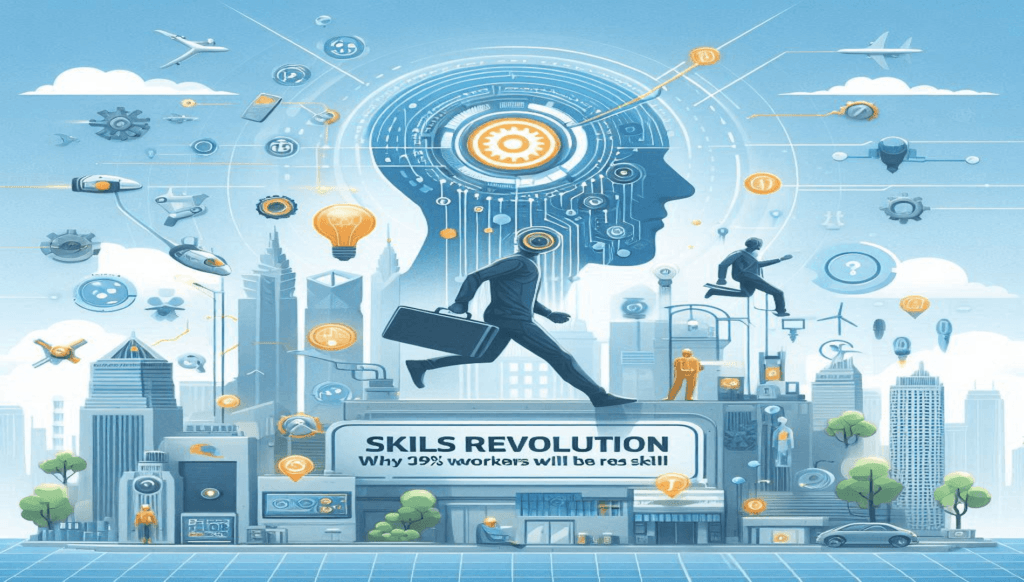
Skills Revolution: Why 39% of Workers Will Need to Reskill by 2030

March 9, 2025 by ajay dhage Leave a Comment

Skills Revolution: Why 39% of Workers Will Need to Reskill by 2030

The world of work is undergoing a seismic shift. By 2030, 39% of workers will need to reskill to keep up with the rapid changes brought on by technological advancements, economic uncertainty, and the green transition. This skills revolution is not just a buzzword—it’s a reality that businesses, governments, and individuals must confront head-on. This article will explore why the skills revolution is happening, what skills will be in demand, and how workers and organizations can prepare for the future.


What’s Driving the Skills Revolution?

The skills revolution is being fueled by several macrotrends that are reshaping the global labour market. According to the Future of Jobs Report 2025, these trends include:

  1. Technological Advancements: Artificial intelligence (AI), robotics, and automation are transforming industries at an unprecedented pace. For instance, 86% of employers expect AI and information processing technologies to significantly impact their businesses by 2030.
  2. The Green Transition: Climate change mitigation and adaptation efforts are creating demand for new roles, such as renewable energy engineers and environmental specialists.
  3. Economic Uncertainty: Rising costs of living and slower economic growth are forcing businesses to rethink their workforce strategies.
  4. Demographic Shifts: Aging populations in high-income economies and growing working-age populations in lower-income countries are altering the global labour supply.

These trends are not just reshaping jobs—they’re redefining the skills needed to thrive in the future.


The Skills Gap: A Growing Challenge

The skills gap is one of the most pressing challenges of the skills revolution. Employers are struggling to find workers with the right skills, and workers are struggling to keep up with the pace of change. According to the report, 63% of employers identify skills gaps as a major barrier to business transformation.

But what exactly are these skills gaps? Let’s break it down:

Skills Revolution: Top Skills in Demand by 2030

AI and Big Data:

With the rise of generative AI and data-driven decision-making, skills in AI and big data are becoming essential. 87% of employers expect these skills to grow in importance.

  1. Networks and Cybersecurity: As cyber threats increase, so does the demand for cybersecurity experts.
  2. Technological Literacy: Even non-technical roles will require a basic understanding of technology.
  3. Creative Thinking: In a world dominated by automation, creativity will set humans apart.
  4. Resilience, Flexibility, and Agility: The ability to adapt to change will be crucial in an unpredictable job market.

On the flip side, skills like manual dexterity and endurance are expected to decline in importance, with 24% of employers foreseeing a decrease in their relevance.


Skills Revolution: The Role of Reskilling and Upskilling

Reskilling and upskilling are no longer optional—they’re essential. The report reveals that 50% of workers have already completed some form of training, up from 41% in 2023. However, the scale of the challenge remains significant.

The Reskilling Imperative

If the global workforce were represented by 100 people:

  • 59 would need training by 2030.
  • 29 could be upskilled in their current roles.
  • 19 could be reskilled and redeployed within their organizations.
  • 11 would be unlikely to receive the necessary training, putting their employment prospects at risk.

This data underscores the urgent need for businesses to invest in reskilling programs.

How Employers Are Responding

  • Upskilling the Workforce: 85% of employers plan to prioritize upskilling their workforce.
  • Hiring New Talent: 70% of employers expect to hire staff with new skills.
  • Transitioning Employees: 51% plan to transition staff from declining to growing roles.

In my opinion, businesses that fail to invest in reskilling risk falling behind in the race for talent.


Skills Revolution: The Human-Machine Frontier: Collaboration Over Replacement

One of the most intriguing aspects of the skills revolution is the evolving relationship between humans and machines. While automation is expected to reduce the proportion of tasks performed by humans, human-machine collaboration is on the rise.

Automation vs. Augmentation

  • Automation: By 2030, 34% of tasks are expected to be performed by technology, up from 22% today.
  • Augmentation: 33% of tasks will involve human-machine collaboration, up from 30% today.

This shift highlights the importance of designing technology to complement human skills rather than replace them. For example, generative AI can enhance human creativity and problem-solving, but it cannot replicate the emotional intelligence and empathy humans bring.


The Green Transition: A New Frontier for Skills

The green transition is not just about saving the planet—it’s also about creating jobs. Roles like renewable energy engineers, environmental engineers, and sustainability specialists are among the fastest-growing jobs.

Green Skills on the Rise

  • Environmental Stewardship: This skill has entered the top 10 fastest-growing skills for the first time.
  • Renewable Energy Expertise: Demand for roles in renewable energy is expected to surge as countries ramp up their climate mitigation efforts.

However, the supply of green skills is struggling to keep up with demand. Between 2022 and 2023, the number of job postings requiring green skills rose by 22%, while the number of workers acquiring these skills increased by only 12%.


Skills Revolution: The Role of Public Policy and Education

Governments and educational institutions have a critical role to play in the skills revolution. According to the report, 55% of employers see funding for reskilling and upskilling as the most impactful public policy intervention.

Key Policy Recommendations

  1. Invest in Education: Improving public education systems can help prepare the next generation for the jobs of the future.
  2. Promote Lifelong Learning: Governments should encourage continuous learning through subsidies and incentives.
  3. Support Workforce Transitions: Policies that facilitate the transition from declining to growing roles can help mitigate job displacement.

In my view, public-private partnerships will be essential to bridge the skills gap and ensure a smooth transition to the future of work.


Here’s What I Think

The skills revolution is both a challenge and an opportunity. On one hand, it’s daunting to think that 39% of workers will need to reskill by 2030. On the other hand, this revolution presents a unique chance to redefine work, create new opportunities, and build a more inclusive and sustainable economy.

I believe that businesses, governments, and individuals must work together to navigate this transition. Employers need to invest in reskilling and upskilling, governments must create supportive policies, and workers should embrace lifelong learning.

The future of work is not set in stone—it’s something we can shape. By embracing the skills revolution, we can build a workforce that’s not only prepared for the challenges of tomorrow but also capable of driving innovation and growth.


Sources of Insights

  1. World Economic Forum. (2025). The Future of Jobs Report 2025.

ajay dhage

Ajay Dhage is a seasoned talent acquisition leader with over 20 years of experience in Talent Acquisition and Workforce Strategy across the oil and gas, EPC, and renewables sectors. As Talent Acquisition Lead for a global Oil & Gas EPC company in India, he manages the end-to-end hiring lifecycle for complex, multi-disciplinary projects, from sourcing and assessment to onboarding and workforce planning. Known for his customer-focused approach and innovative use of AI and data in hiring, Ajay focuses on building future-ready workforces and resilient leadership pipelines. Through ajayable.com, he shares insights, trends, and practical frameworks to help HR professionals, organisations, and recruiters excel in a rapidly evolving, competitive talent landscape.

ajayable.com

Filed Under: Leadership & Workforce Strategy Tagged With: employee retention, Future of work, talent shortage solutions, Workforce planning

Macrotrends: Navigating the Shifting Sands of a Reshaping Labour Market

January 28, 2025 by ajay dhage 1 Comment

Macrotrends

The world of work is not static; it is a dynamic and ever-evolving landscape, shaped by powerful forces that ripple across industries and geographies. As we stand at the cusp of 2025, it’s clear that the global labour market is undergoing significant transformations driven by several key macrotrends. These trends, ranging from rapid technological advancements to pressing environmental concerns and geopolitical shifts, are not just abstract concepts; they are tangible forces that will directly impact the jobs we do, the skills we need, and the fabric of our working lives. To navigate this new world of work successfully, we must understand these macrotrends and how they will shape the future job market by 2030.

The Five Macrotrends: A Convergence of Forces

The World Economic Forum’s Future of Jobs Report 2025 identifies five macrotrends expected to impact the labour market in the coming years profoundly. These interconnected forces are:

  • Technological Change: Rapid advancements in areas like artificial intelligence (AI), automation, and digital access are fundamentally altering how work is done.
  • The Green Transition: The global shift towards sustainable practices and renewable energy is creating new jobs while transforming existing industries.
  • Geoeconomic Fragmentation: Increasing geopolitical tensions and trade restrictions are disrupting global supply chains and impacting labour markets.
  • Economic Uncertainty: Volatility in economic conditions, including inflation and slower growth, is creating both challenges and opportunities for workers and businesses.
  • Demographic Shifts: Changes in population demographics, such as ageing workforces and shifts in working-age populations, are impacting labour supply and demand.

These macrotrends are not isolated incidents but rather a convergence of forces that together create a complex and evolving picture of the future of work.

Technological Change: The Digital Transformation

Technological change is undoubtedly the most transformative of these macrotrends, expected to impact a staggering 60% of businesses by 2030. The rise of AI, particularly generative AI (GenAI), is reshaping industries and tasks across all sectors. In my opinion, this is not just about replacing human workers but augmenting their capabilities. For instance, GenAI could empower less specialized employees to perform more complex tasks, while equipping skilled professionals with the latest knowledge.

  • Broadening Digital Access: This is expected to be the most transformative trend, with 60% of employers expecting it to transform their business by 2030. The expansion of digital access is also a major factor driving the increased demand for technology skills.
  • AI and Information Processing: Advancements in AI and information processing are expected to be highly transformative (86%). This trend is also fueling demand for technology-related skills such as AI and big data, networks and cybersecurity, and technological literacy.
  • Automation and Robotics: Robotics and automation are expected to transform 58% of businesses, and are also driving demand for tech skills. Furthermore, automation is contributing to the decline of roles that require manual dexterity and precision.

The Green Transition: A Greener Future of Work

The green transition, driven by the need to address climate change, is another significant macrotrend. It is not only about environmental stewardship but also about creating new opportunities in the labour market. As companies invest in green technologies, new roles requiring specialized skills will emerge. For example, the Energy Technology and Utilities sector is anticipating a need for Environmental Engineers, AI and Machine Learning Specialists, and Renewable Energy Engineers.

  • Environmental Stewardship: This skill is gaining importance across various industries, with some sectors, such as Mining and Metals and Government and Public Sector, placing a greater emphasis on it than others.
  • Green Skills: As industries shift towards sustainable practices, there’s an increasing demand for individuals with green skills, with the LinkedIn platform showing an outperformance in hiring rates for individuals with green skills.
  • Industry Transformation: Sectors like Energy Technology and Utilities are expected to undergo significant transformation due to investments in greener technologies.

Geoeconomic Fragmentation: Navigating a Divided World

Geoeconomic fragmentation, characterized by increasing geopolitical tensions and trade restrictions, is also impacting the labour market. Therefore, this trend is disrupting global supply chains and forcing companies to rethink their strategies.

  • Geopolitical Divisions: 52% of employers in Germany expect impacts from growing geopolitical divisions, above the global average of 34%.
  • Trade Restrictions: The Automotive and Aerospace sector is particularly concerned about the impact of rising geopolitical tensions and increasing trade restrictions. As such, companies are now considering reshoring, nearshoring, or friendshoring to mitigate the effects of global disruptions.
  • Regional Impacts: Central and Southern Asia, particularly India, is expected to be impacted by geopolitical tensions.

Economic Uncertainty: Navigating Volatile Conditions

Economic uncertainty, marked by inflation and slower growth, is creating a mixed outlook for job creation. While global inflation is expected to ease, the cost of living remains elevated, and this affects the job market in several ways.

  • Cost of Living: Half of employers expect the increasing cost of living to transform their business by 2030 [14]. This has an impact on job creation, increasing the demand for creative thinking, resilience, and agility.
  • Slower Growth: A general economic slowdown is anticipated to transform 42% of businesses . This is expected to displace 1.6 million jobs globally.
  • Job Growth: Despite the negative impact of slower economic growth, this trend is also projected to be a top driver for growth in roles such as Business Development Professionals and Sales Representatives.

Demographic Shifts: Adapting to Population Changes

Demographic shifts, which include aging workforces and growing populations in different regions, are also impacting the labour market, creating both opportunities and challenges. Indeed, these shifts have a profound effect on the availability of talent.

  • Aging Workforces: Companies in Eastern Asia expect aging and declining working-age populations to transform the region’s labour markets.
  • Growing Populations: Conversely, some regions are experiencing growing working-age populations . This creates a need for businesses to tap into diverse talent pools.
  • Talent Availability: About 50% of employers in Sweden identify aging and shrinking workforces as a key trend, while 41% highlight growing working-age populations elsewhere.

The Interplay of Macrotrends on Skill Disruption

These macrotrends do not operate in isolation; they interact with each other to create complex challenges and opportunities in the labour market. For example, technological change is not just about automation; it also requires individuals to develop new skills to work alongside AI-powered systems. Furthermore, the green transition is not just about environmental regulations; it’s about creating new jobs that require both technical expertise and environmental awareness.

The intersection of these macrotrends also highlights the importance of continuous learning. Skills like analytical thinking, resilience, flexibility, agility, and lifelong learning are not just desirable; they are essential for navigating the ever-changing landscape of work.

Navigating the Future: A Call to Action

Given these macrotrends, what can individuals and organizations do to adapt and thrive?

For Individuals:

  • Embrace Continuous Learning: Develop a mindset of lifelong learning and actively seek opportunities to acquire new skills.
  • Focus on Core Skills: Invest in developing core skills such as analytical thinking, resilience, and creativity.
  • Develop Tech Skills: Focus on acquiring skills related to AI, big data, cybersecurity, and digital literacy.
  • Consider Green Skills: Develop an understanding of sustainability and environmental stewardship].
  • Be Adaptable: Be prepared to pivot to new roles and industries as the labour market changes.

For Organizations:

  • Invest in Reskilling and Upskilling: Prioritize training programs to ensure workers have the skills needed for future roles.
  • Focus on DEI: Broaden hiring practices and tap into diverse talent pools.
  • Embrace Technology: Adopt technologies that augment human capabilities and streamline processes.
  • Adapt Workforce Strategies: Implement flexible work arrangements and support employee well-being.
  • Address Transformation Barriers: Tackle issues such as organizational culture and skills gaps that hinder business transformation.

Here’s What I Think:

The convergence of these powerful macrotrends presents a complex but ultimately optimistic outlook for the future of work. In my view, while some jobs will decline and new skills will be needed, the overall employment outlook is positive. However, success depends on the ability of individuals and organizations to proactively adapt to these changes. This requires a commitment to lifelong learning, a focus on core and emerging skills, and a willingness to embrace new technologies. By understanding these macrotrends, we can navigate the shifting sands of the labour market and create a more resilient and prosperous future of work for everyone.


Sources of Insights

  1. World Economic Forum. (2025). The Future of Jobs Report 2025.

ajay dhage

Ajay Dhage is a seasoned talent acquisition leader with over 20 years of experience in Talent Acquisition and Workforce Strategy across the oil and gas, EPC, and renewables sectors. As Talent Acquisition Lead for a global Oil & Gas EPC company in India, he manages the end-to-end hiring lifecycle for complex, multi-disciplinary projects, from sourcing and assessment to onboarding and workforce planning. Known for his customer-focused approach and innovative use of AI and data in hiring, Ajay focuses on building future-ready workforces and resilient leadership pipelines. Through ajayable.com, he shares insights, trends, and practical frameworks to help HR professionals, organisations, and recruiters excel in a rapidly evolving, competitive talent landscape.

ajayable.com

Filed Under: Recruitment Market Trends Tagged With: Future of work, recruitment trends, talent shortage solutions, Workforce planning

Skills Are the New Currency: Reskilling and Upskilling as the New Talent Acquisition

January 7, 2025 by ajay dhage Leave a Comment

Skills Are the New Currency

The world of work is in perpetual motion. Skills are the new currency, and companies are rethinking their game plans in today’s ever-shifting hiring landscape. Why? Because the old playbook—relying on external recruitment—just isn’t cutting it anymore. Instead, businesses are turning their focus inward, prioritizing reskilling and upskilling their current workforce. And honestly, it’s about time. This isn’t just a fleeting trend; it’s a survival strategy.

What if, instead of scouring the market for elusive talent, organizations recognized the goldmine of potential already within their teams? In my opinion, this shift is not only pragmatic but essential for thriving in a rapidly changing environment.

Why Skills Are the New Currency in Talent Acquisition

Let’s face it—skills gaps are growing wider by the day. The demand for specialized expertise far outstrips supply, leaving businesses scrambling to keep up. Combine that with economic uncertainties and lightning-fast technological advancements, and you’ve got a perfect storm. Roles that seemed indispensable yesterday are suddenly obsolete, replaced by new ones that require entirely different skill sets.

Relying solely on external hiring? It’s becoming a costly, time-consuming, and often unsustainable crutch. Not to mention, new hires might not always gel with the existing culture. So, why not build the talent you need from within? By reskilling and upskilling employees, companies can bridge critical gaps while fostering loyalty and engagement. Sounds like a win-win, doesn’t it?

The Rise of “Skills are the New Currency”: Understanding Reskilling and Upskilling

So, what does it mean when we say skills are the new currency? Think of it this way: employee capabilities are like investments. Reskilling—learning entirely new skills for a different role—and upskilling—sharpening existing skills to elevate performance—turn these investments into invaluable assets. Here’s why these strategies are game-changers:

  • They make businesses nimbler, ready to pivot in response to change.
  • They reduce the dependency on external hires.
  • They create a workforce that’s versatile and future-proof.
  • They instill a culture of continuous learning, which is no longer a nice-to-have but a must-have.

Developing a Culture That Values Skills as the New Currency

Creating a workplace where skills are the new currency isn’t just about sending employees to the occasional training seminar. It’s about embedding growth and adaptability into the very DNA of your organization. Here’s how:

Prioritize Internal Mobility

Why keep looking outside when the talent you need might already be in-house? Internal mobility programs let employees explore new roles and functions, boosting engagement and saving you the hassle of external hiring. Offering clear career pathways isn’t just a perk; it’s a strategy to reduce turnover and enhance satisfaction.

Invest in Continuous Learning

A thriving workplace is one where learning never stops. Access to online platforms, interactive workshops, and mentorship programs shows employees you’re committed to their growth. Let’s be real—when employees see their skills as the new currency, they’re more likely to invest in themselves.

Conduct Skills Gap Analyses and Tailor Development Plans

How do you know where to focus? Regularly assess your workforce’s skills to identify gaps. Then, design personalized learning plans that align with both individual aspirations and business goals. It’s a targeted approach with a big payoff.

Recognize and Reward Skill Development

Who doesn’t love recognition? Acknowledge employees who go the extra mile to upskill. Whether it’s through internal certifications, public shoutouts, or even bonuses, rewarding effort underscores the value of growth. After all, nothing says “skills are the new currency” like tangible rewards for learning.

Strategic Implementation of Skills as the New Currency

Talk is cheap—it’s the execution that matters. Here’s how to turn the idea of skills as the new currency into a concrete reality:

  1. Assess Current and Future Needs: Identify what skills your business needs today and what it’ll need tomorrow. A clear understanding of objectives and workforce capabilities is crucial.
  2. Leverage Technology: AI-powered platforms can assess employee skills, pinpoint gaps, and recommend tailored training programs. From online courses to mobile apps, technology makes learning accessible and convenient.
  3. Create Tailored Learning Opportunities: Generic training won’t cut it. Customize programs for specific roles and individual goals. Pair them with mentorship and on-the-job training for real-world application.
  4. Incorporate Feedback Mechanisms: Listening to your employees is vital. Regular surveys and pulse checks ensure development programs remain effective and aligned with their needs.

Case Studies Proving Skills Are the New Currency

Don’t just take my word for it—plenty of organizations are already reaping the rewards of this approach:

  • American Express: By reskilling employees from hospitality into customer service roles, they’ve demonstrated how to think outside traditional talent pools.
  • Tech Giants: Companies like Google and Microsoft are all-in on upskilling their teams in cutting-edge fields like AI and cloud computing.
  • McDonald’s and General Motors: Leveraging AI tools for hiring and investing heavily in employee training, these companies prove that technology and talent development go hand in hand.

The Future of Talent Acquisition: A Skills-Centric Approach

Let me ask you this: How can businesses stay competitive in a world where change is the only constant? The answer lies in embracing a skills-centric approach. Recognizing that skills are the new currency, talent acquisition transforms into a holistic strategy. It’s no longer just about filling roles; it’s about cultivating resilience, adaptability, and innovation within your team.

Here’s What I Think:

In my opinion, the traditional methods of talent acquisition are outdated relics. Companies that want to lead—not lag—must prioritize internal growth, leverage the latest technology, and foster an unrelenting culture of learning. Skills are the new currency, and organizations that embrace this reality will not only survive but thrive in the years to come.

So, are you ready to flip the script? The future of talent is already here, and it’s waiting for those bold enough to seize it.


Sources of Insights

  1. AMS. “Talent Acquisition at a Crossroads.”
  2. IBM. “Talent Acquisition Strategy.”
  3. AI Group. (n.d.). How Talent Acquisition is Shaping the Future of Recruitment.
  4. Bersin, J. (2024, April). Research Shows It’s Time to Reinvent Talent Acquisition.
  5. Revelio Labs. (n.d.). Is Recruiter Recruitment an Oracle for the Future?

ajay dhage

Ajay Dhage is a seasoned talent acquisition leader with over 20 years of experience in Talent Acquisition and Workforce Strategy across the oil and gas, EPC, and renewables sectors. As Talent Acquisition Lead for a global Oil & Gas EPC company in India, he manages the end-to-end hiring lifecycle for complex, multi-disciplinary projects, from sourcing and assessment to onboarding and workforce planning. Known for his customer-focused approach and innovative use of AI and data in hiring, Ajay focuses on building future-ready workforces and resilient leadership pipelines. Through ajayable.com, he shares insights, trends, and practical frameworks to help HR professionals, organisations, and recruiters excel in a rapidly evolving, competitive talent landscape.
ajayable.com

Filed Under: Talent Acquisition Strategies Tagged With: Future of work, recruitment trends, reskilling and upskilling, Talent Acquisition, Talent Acquisition Strategies, talent shortage solutions

  • « Go to Previous Page
  • Page 1
  • Page 2

Primary Sidebar

Latest Reads

  • The Hollow Organisation: Why 2026 Cost-Cutting Triggers a Leadership Pipeline Crisis by 2030
  • Recruitment Strategy 2026: Why AI, Skills, and Human Judgment Will Redefine Hiring
  • Workforce Readiness: How AI-Driven Organisations Are Redefining Hiring for the Future
  • Skilled Trades Innovators: The Great Career Pivot and What Leaders Must Do Next
  • Degrees Without Direction: Solving the India Career Guidance Crisis

What Readers Say

  1. ajay dhage on Talent Wars: Winning the Battle for Top Employees
  2. Raosaheb P Pandit on Talent Wars: Winning the Battle for Top Employees
  3. Vipul Patel on How Evolving Degree Value is Redefining Career Pathways
  4. Deep Punkar on How Evolving Degree Value is Redefining Career Pathways
  5. Malini S on Gen Z Employability in India: Decoding Why Indian Companies Are Hesitant to Hire

Explore Topics

  • AI & Automation in Recruitment
  • AI & Automation in TA
  • AI and Automation
  • AI in Recruitment
  • Campus & Early Careers
  • Career Development for HR Professionals
  • Future of Work
  • Industry Trends
  • Leadership & Talent Strategy
  • Leadership & Workforce Strategy
  • Recruitment Market Trends
  • Talent Acquisition Strategies
  • Technical HR

Archives

  • January 2026
  • December 2025
  • November 2025
  • October 2025
  • September 2025
  • June 2025
  • May 2025
  • April 2025
  • March 2025
  • February 2025
  • January 2025
  • December 2024

Copyright © 2026 · News Pro on Genesis Framework · WordPress · Log in